Supermoons, Hail and a Very Late Bloom
What our 2025 harvest taught us about growing on nature’s terms
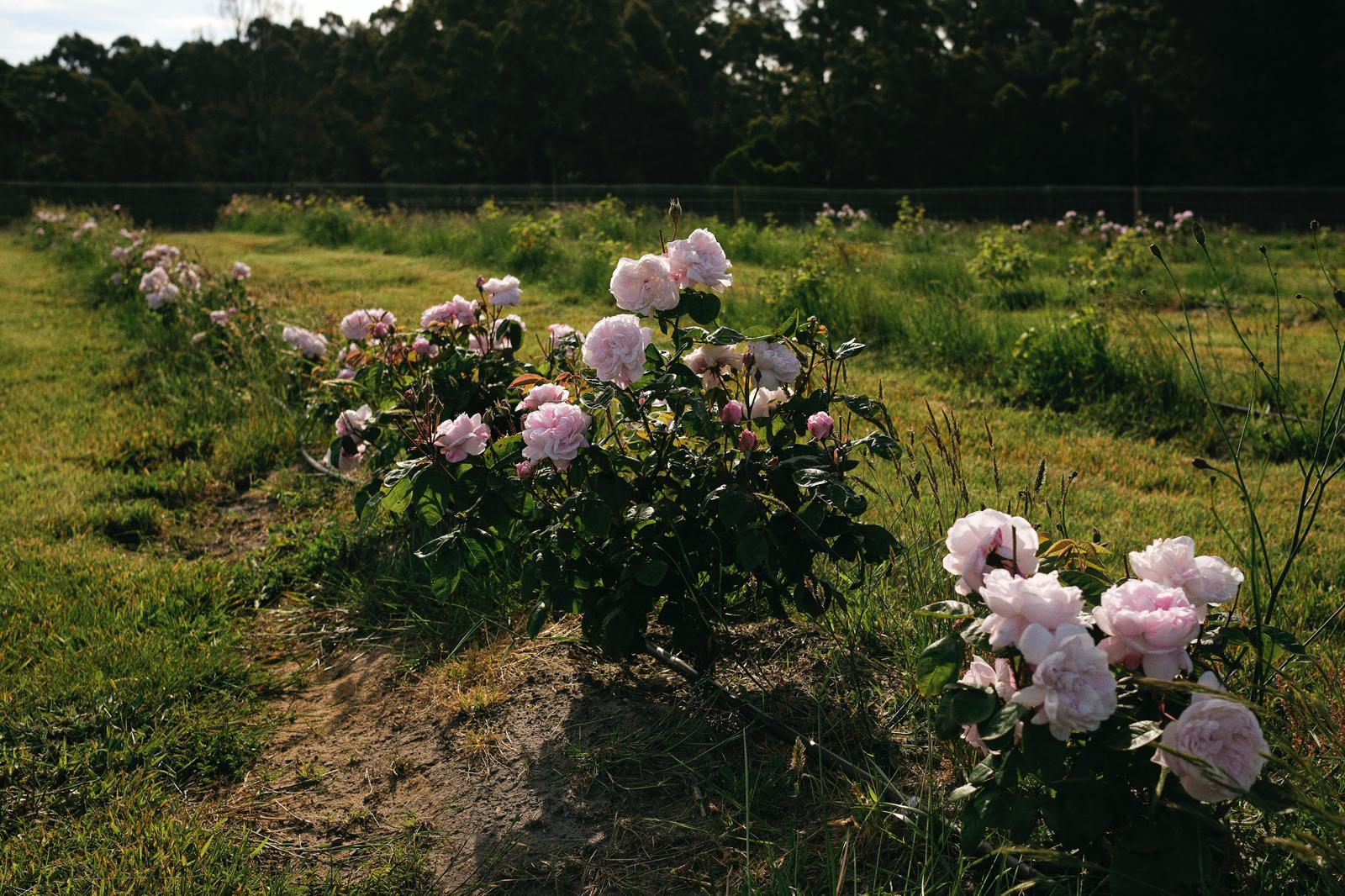
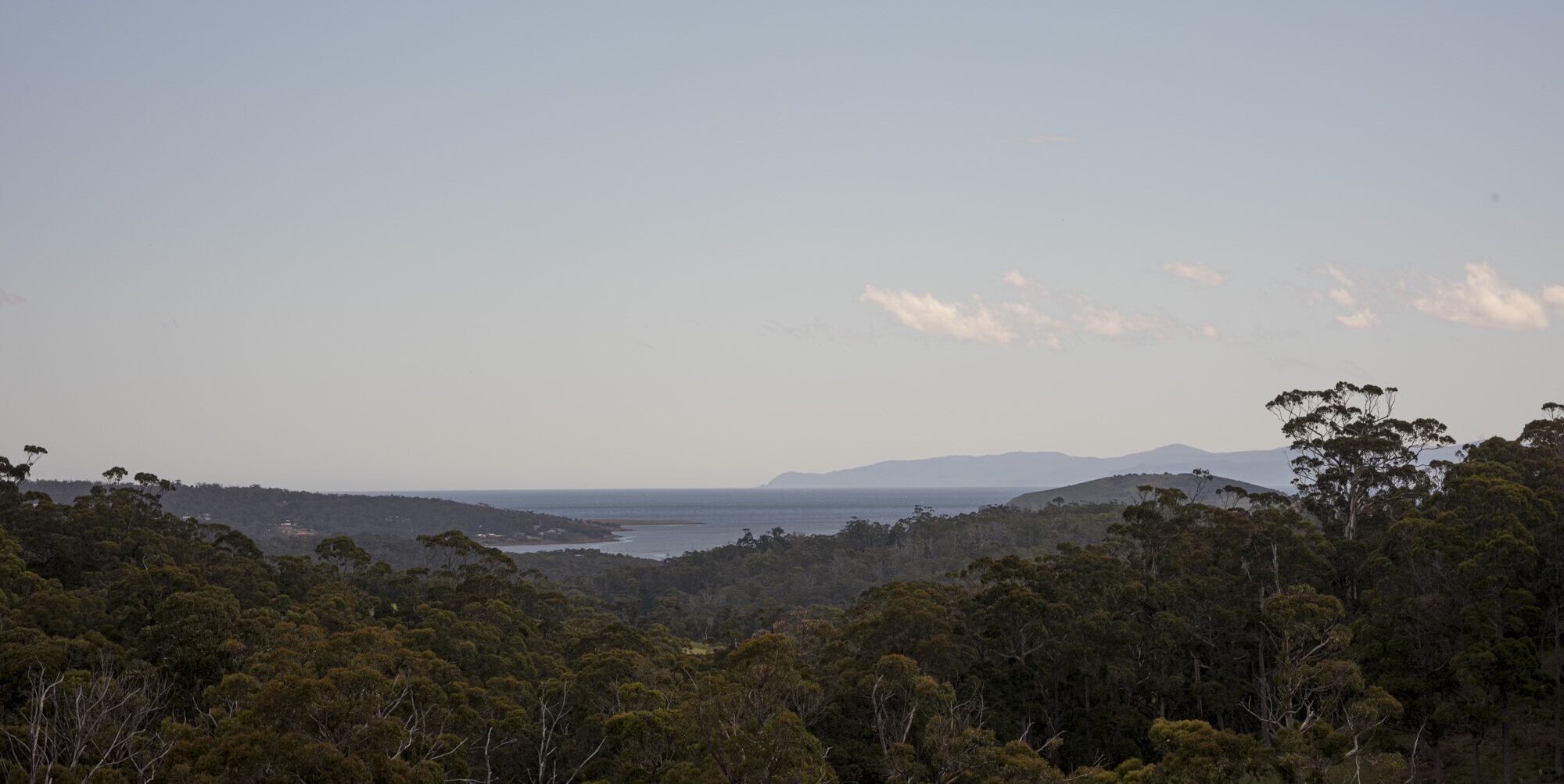
Harvest. It’s a time of bounty. When patient work comes to fruition. A period for celebrating collaboration with nature. It’s when Highcroft Hills is most alive. With colour, fragrance, anticipation. Our rose harvest takes place in the southern hemisphere’s spring, when the winds slow and the air and soil warm under the increasing presence of the sun. When the moon waxes to its full strength. Nature is our guide. We follow its pace and rhythms.
“But harvest 2025 was a potent reminder that nature isn’t just our guide. This was the season that nature showed us who’s really in control.”
A few weeks before we were due to begin harvesting – which usually coincides with our founder’s birthday on the 13th of November – Tasmania was hit by a deluge of rain followed by unseasonably high temperatures. The roses took this as their cue. The warm weather was the sign they needed to push sap upwards to feed new, tender shoots and develop their first buds of the season.
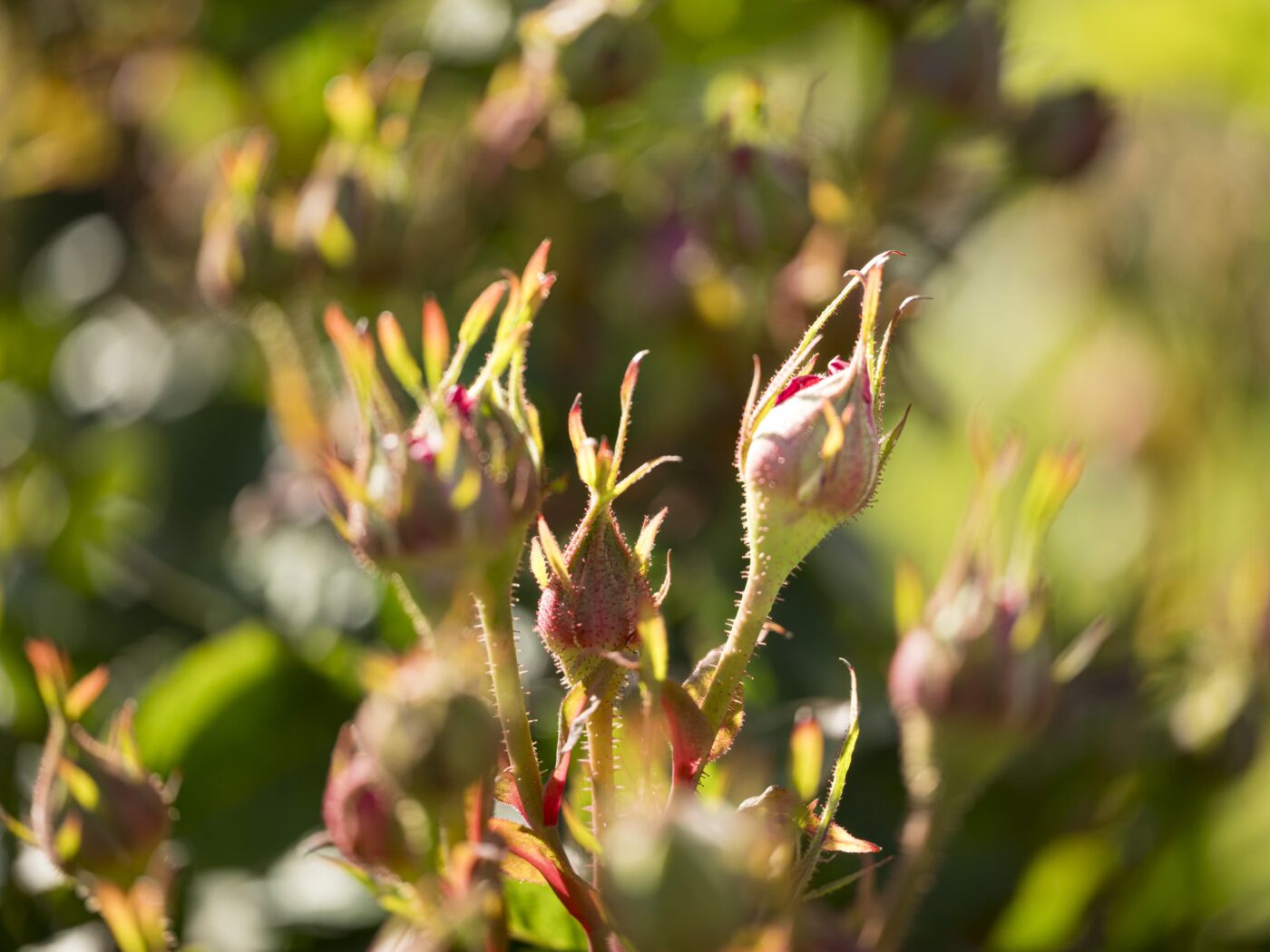
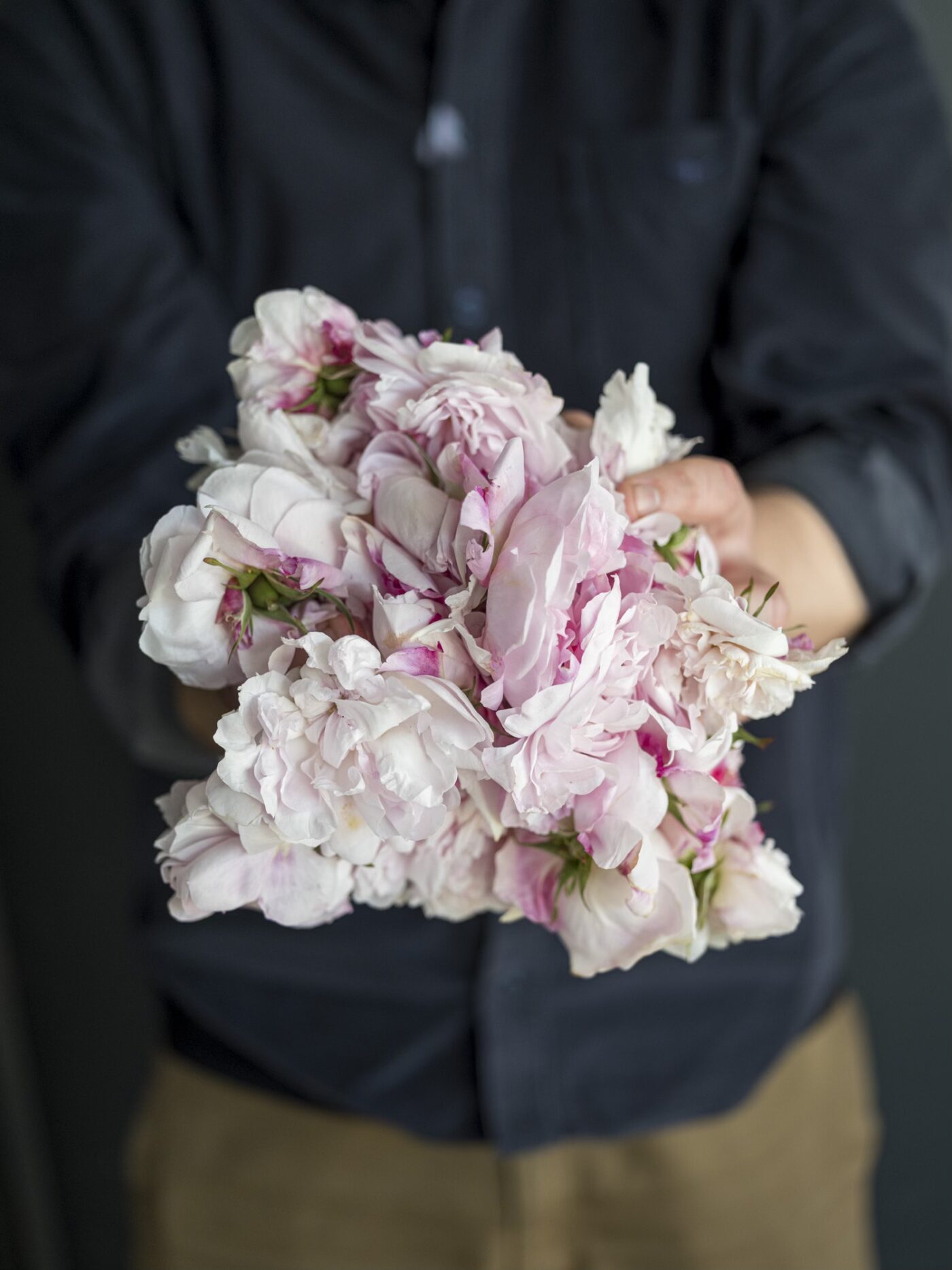
To add to this, the 5th of November full moon was a supermoon. The bright lunar light sparked a physiological reaction in the roses’ photoreceptors that kicked off exceptional growth and triggered early flowering. Our Blush Damask roses were the first to bloom and the buds just kept on coming, and coming – more than we’d ever seen.
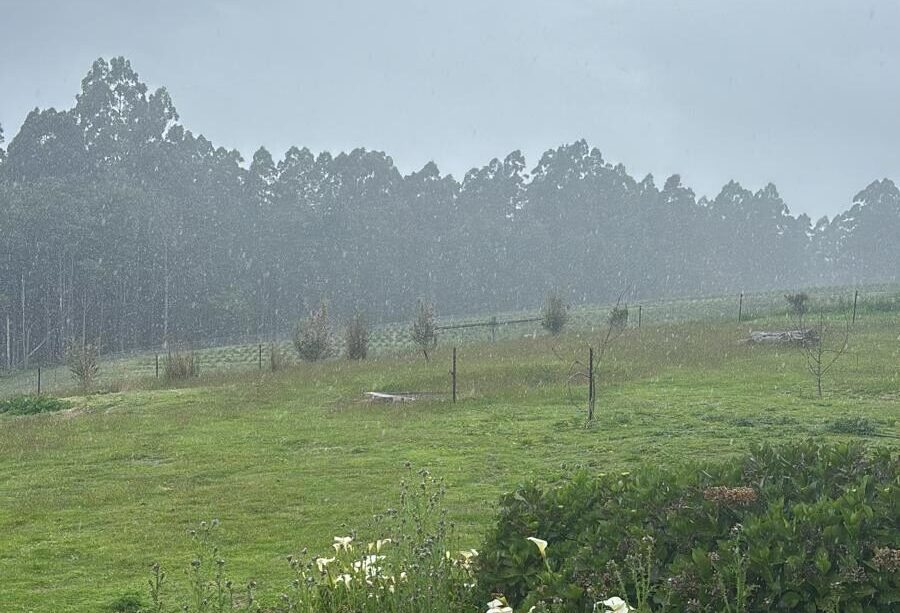
But by early November those summery daytime highs were replaced with a winter-like chill and frigid, gale-force southerly winds. We even had hail; which did its best to shred leaves, bruise those tender, new stems and deadhead the fragile, young buds. Needless to say, our roses weren’t the only ones confused.
We faced a decision: to cut back or let nature do its thing? We chose the latter. On reflection, we should have chosen the former. We let the roses be, just watering here and there as the weather got drier.
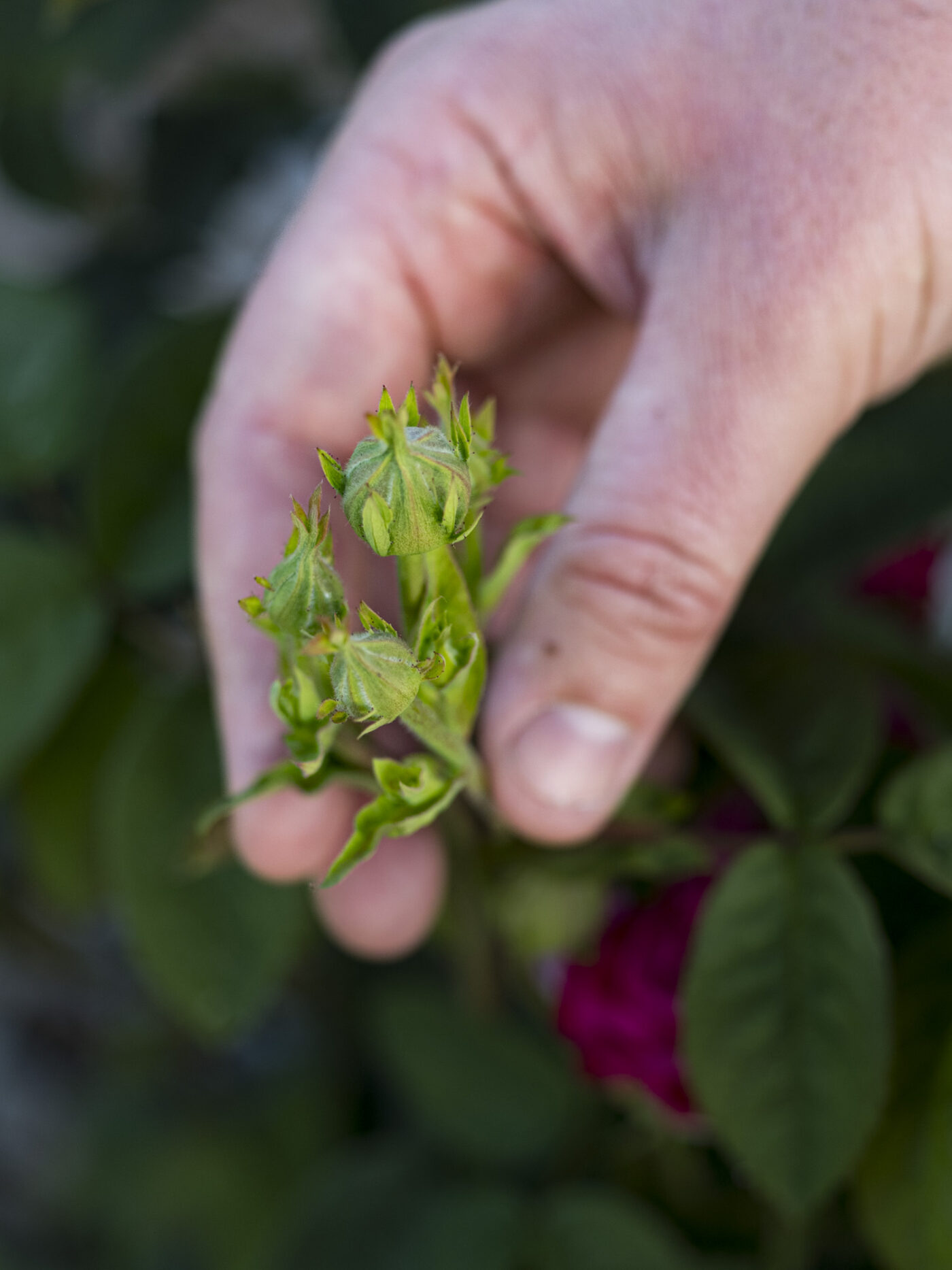
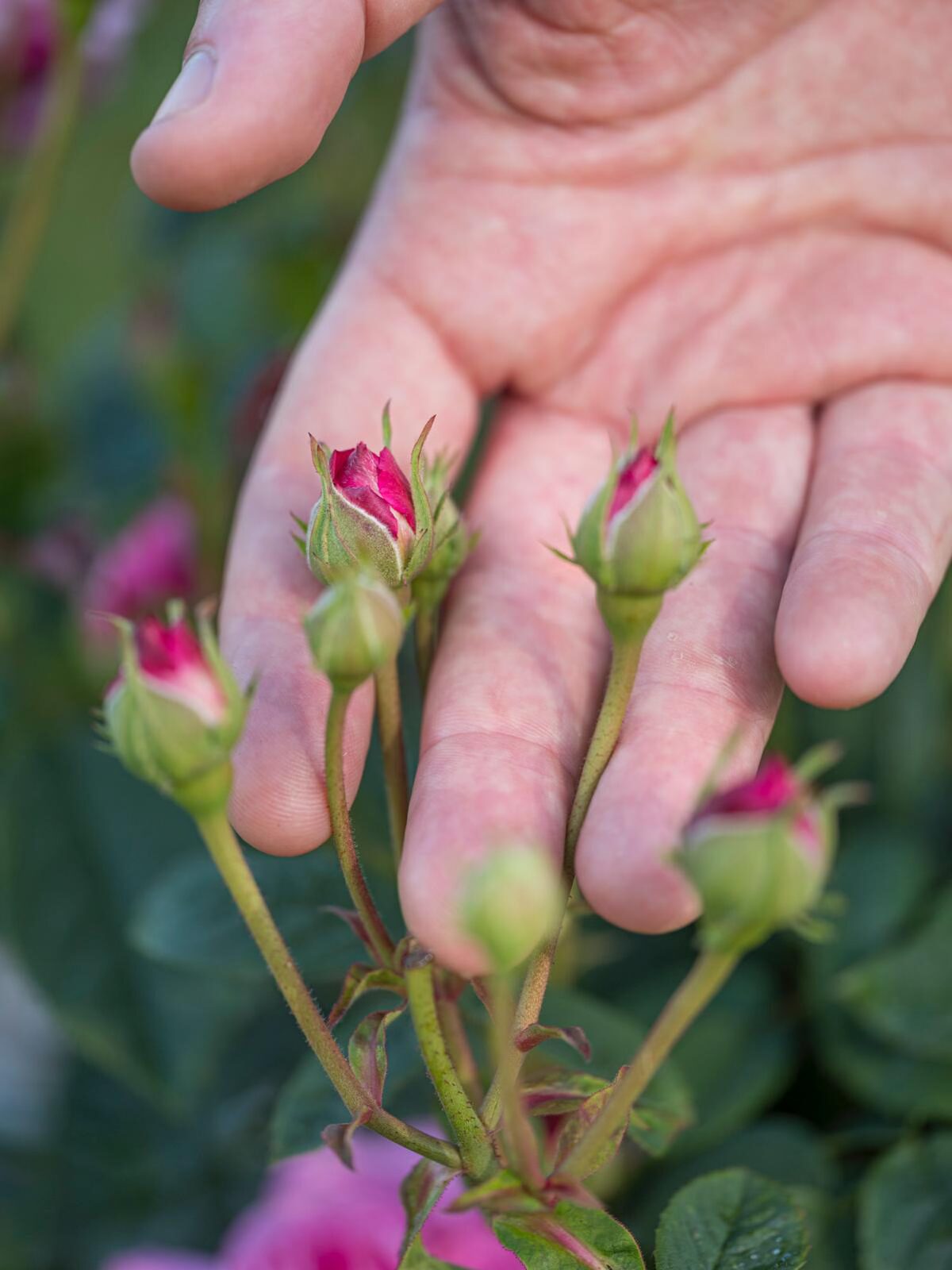
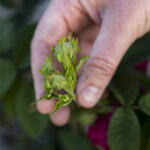
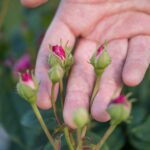
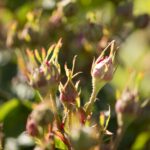

“And we waited. And waited.”
After three weeks of dry, mild weather the harvest could slowly but surely begin, in the cool light of the early morning sun. By mid-January, a full month after we usually finish, we finally concluded harvesting. It was time to take stock.
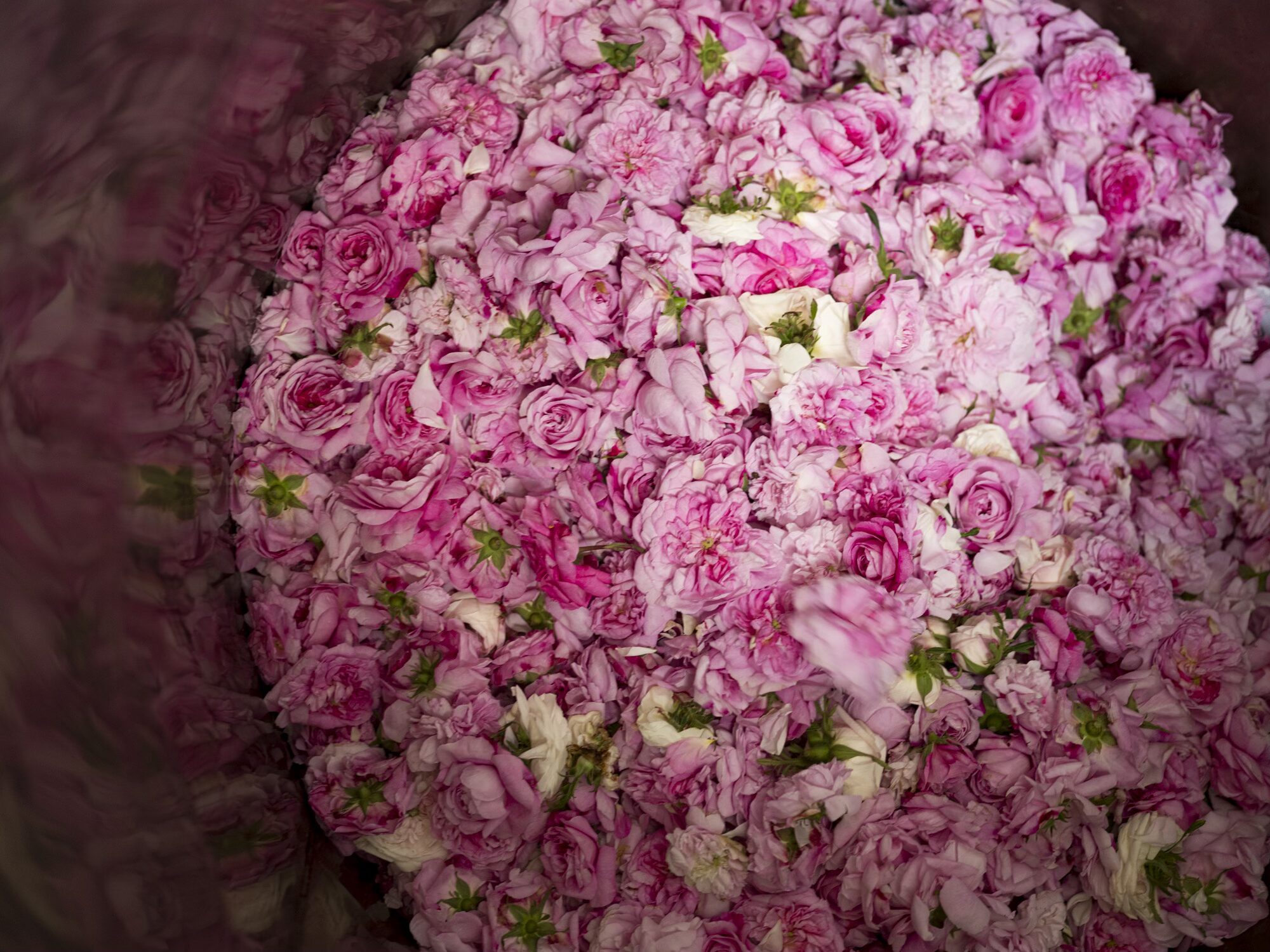
Surprisingly – and despite one of our horticulturalists, who’s from the area, saying she’d never seen this kind of weather here before – the yield was actually good. Each of our mature, 5-year old plants yielded 5kgs of flowers. And the availability of bioactive compounds in the roses, their potency, was high.
Growing roses, working in partnership with nature, teaches you many things. But perhaps of paramount importance, it teaches you adaptability. You must relinquish control. There is only so much you can do to affect the outcome of a plant that’s grown on nature’s terms. But this collaboration with nature is what makes it so profoundly satisfying.
We’re at the mercy of wind – including the Roaring Forties – rain, temperature, the soil, air quality. We see ourselves as stewards of our terroir. But there is only so much we can do. Our role is supportive – of the natural resilience of our plants, to help them reach their full potential. But the rest we leave to nature. And in spring 2025 nature was particularly whimsical. With a strong El Niño predicted for spring 2026 we will, once again, be ready for surprises.