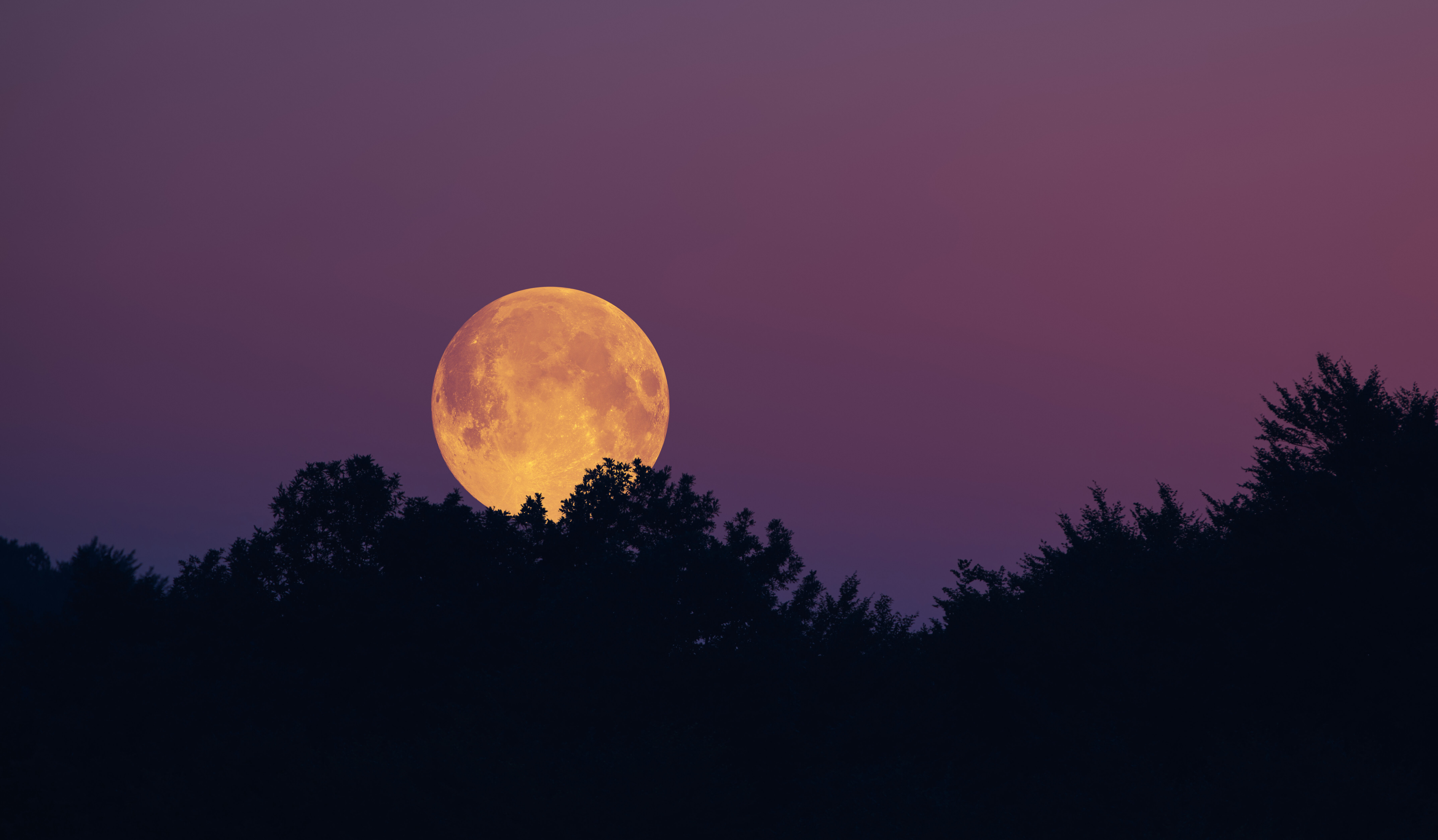
In Celebration of the Winter Solstice
It seems counterintuitive to welcome the shortest day, but past this dark winter milestone lies the promise of sunlight, spring and new blooms.
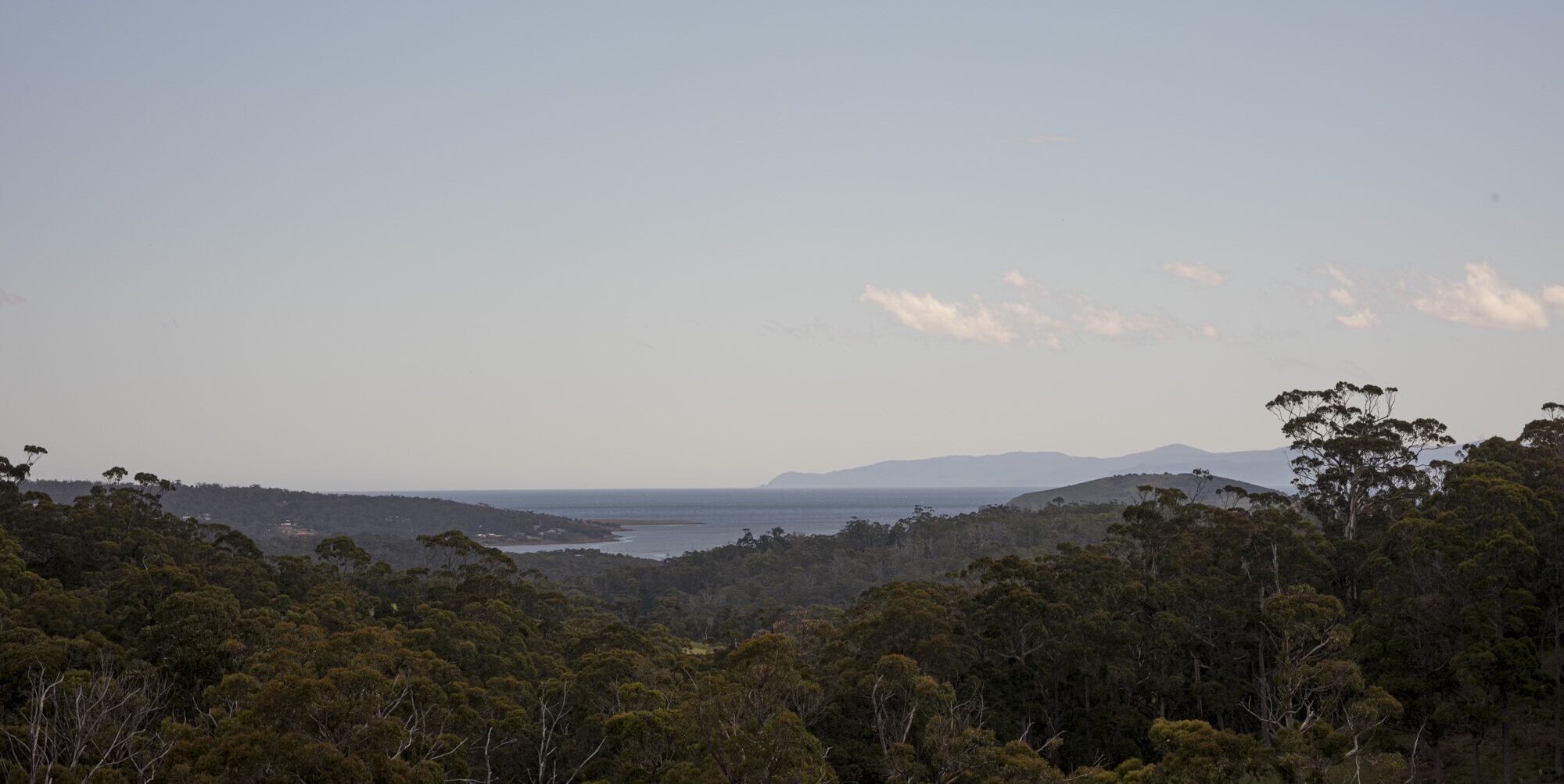
Depending on where you are in the world, the 21st of June can have two different, yet intimately entwined meanings. For us at Highcroft Hills, in the Tasmanian Archipelago, a mere 3,000km from Antarctica and well into the Southern Hemisphere, it’s the winter solstice. While the other side of the globe, the Northern Hemisphere, is bathing in sunlight, enjoying its longest day – its summer solstice – we’re experiencing our shortest day and longest night. This is something to be celebrated. Because it marks the start of the shift to lengthening days, more of the sun’s warmth. It’s a moment of rebirth.
For thousands of years cultures around the world have celebrated the winter solstice as a symbol of rebirth, for its promise of growth and a return to the light. Structures and buildings, ancient and new, have been constructed to align with both winter and summer solstices. Stonehenge, in southern England, is one of the most famous – with stones precisely aligned with the sun’s path during the winter solstice sunset. And there are dozens of others that accurately frame the exact moment of Earth’s maximum tilt towards the sun. And it is an exact moment. This year, for us in Tasmania, the winter solstice will be at 6:24pm AEST.
The Earth rotates on an axis around the sun, tilted at approximately 23.4°. During the June solstice, the sun’s direct rays are positioned overhead at the Tropic of Cancer, meaning the South Pole is tilted away from the sun, so the southern hemisphere receives less direct sunlight.
Thousands of years ago, as humans began settling, forgoing the hardship of hunting and gathering, accurately tracking the seasons and the sun’s life-giving power became essential. Sowing seeds, pruning, harvesting, leaving the land to rest, were elements of farming that relied on the ability to anticipate nature’s rhythms. But beyond the practical value, tracking the movement of the sun had cultural value, too. The winter solstice meant that soon spring would be approaching – new growth, new seeds, the promise of food, life. While the summer solstice meant harvest was near, a time of bounty and celebration. That promise of new life, new buds, blooms, full-bodied roses is waiting for us at Highcroft Hills.
But right now, it is just a promise. We must be patient.
Our rose plants are dormant. Above ground at least. Below ground, they’re busy reinforcing and strengthening their root system, preparing for a burst of growth in the spring.
Dormancy has many benefits: energy is preserved for warmer months, when growth is more efficient; only the strongest stems are left, those that withstand the cold, this helps the plant remain healthy and durable; and potential pests and diseases are kept at bay as there’s no food for them to feed on.
Because we practice minimal intervention farming, we use this period to take stock. To maintain and sustain – water availability, soil health, plant health. It is a moment of rest and reflection ahead of the busy spring season. So far, the future is looking secure – despite El Niño predictions of dry weather, our dams are filled. And our rose plants are strong. They’re waiting. For the air and soil to warm. For the wind to slow. For the sun’s radiating force to return, ready to bring new life and colour to our rose garden.