The Queen of Flowers
Revealing the potent powers of the rose
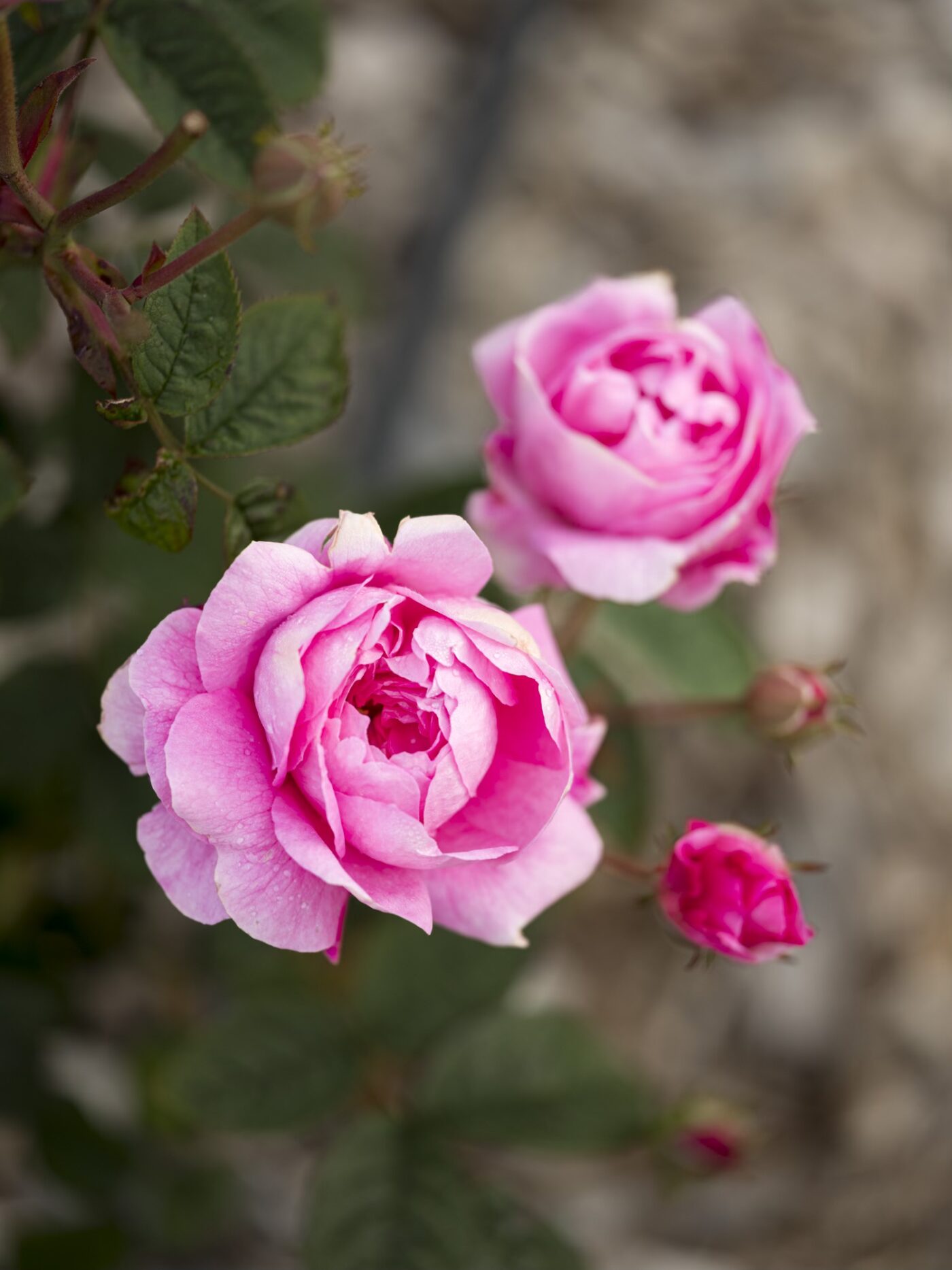
A deep, copper bathtub filled with honeyed milk, strewn with red rose petals. It’s the epitome of luxury and extravagance. For Cleopatra VII, the last Pharaoh of Egypt, it was a regular ritual. But it wasn’t just a symbol of her opulence and power. Cleopatra and her fellow Ancient Egyptians, long before modern science proved them right, intuited the healing, cleansing, soothing qualities of roses. And they weren’t alone.
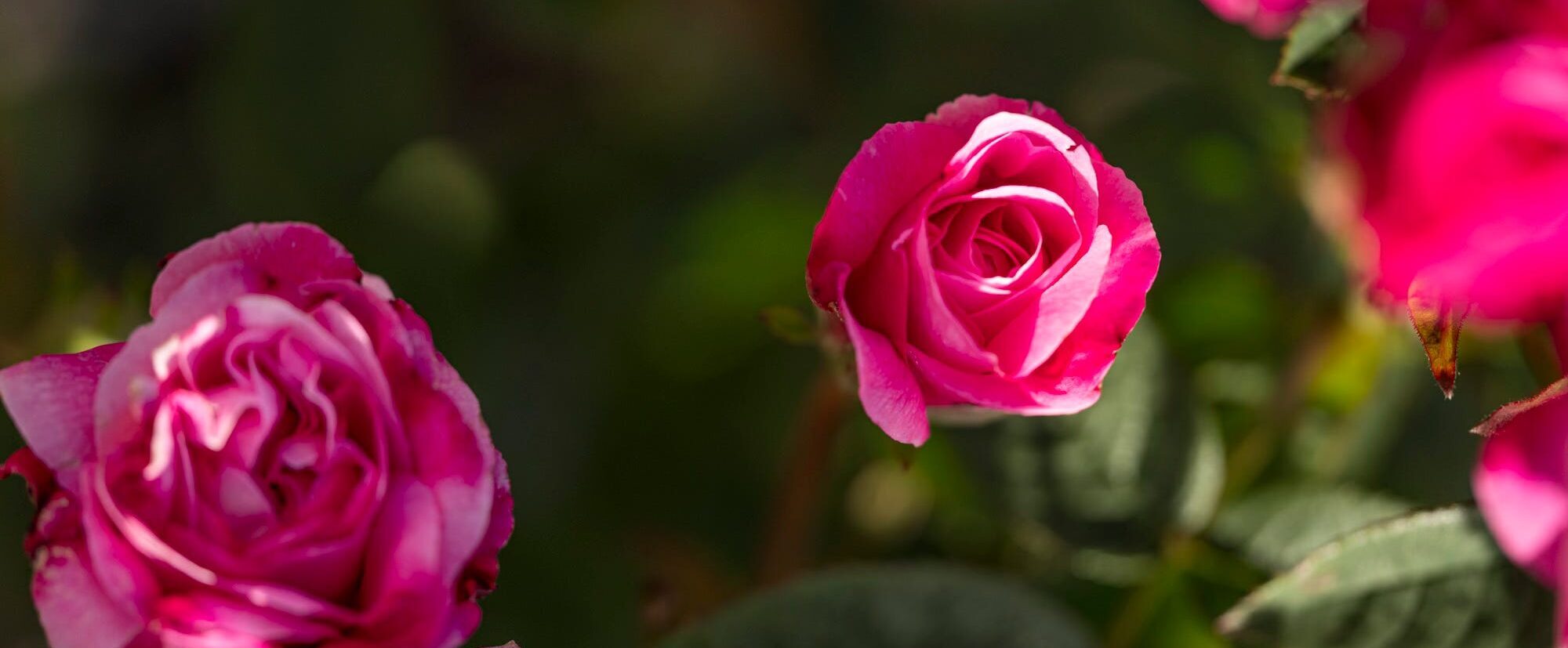
The Greeks, the Romans, the Persians, even as far back as the Sumerians, have all used roses therapeutically. The Chinese first started cultivating them, as early as 3,000 BCE. Confucius wrote – over 2,500 years ago – of the emperor’s huge library of more than 600 books on the blossoming plant. They were, in part, cultivated for their beauty and fragrance. But ground, steeped, dried petals as well the hips and roots have since been used by cultures around the world to heal colds, flu, stomach upsets, muscle soreness, headaches as well as to soothe and brighten skin. Now that we know- scientifically – what’s in a rose, their multifaceted powers aren’t surprising.
Roses are loaded with what’s known as bioactive compounds. These naturally-occurring chemicals are found in plants, fungi and animals. Though we don’t technically need them, like we do carbohydrates, proteins, fats etc, they trigger changes or promote responses in living tissue that can be highly beneficial. As in, they can be anti-inflammatory, anti-viral and even anti-cancer.
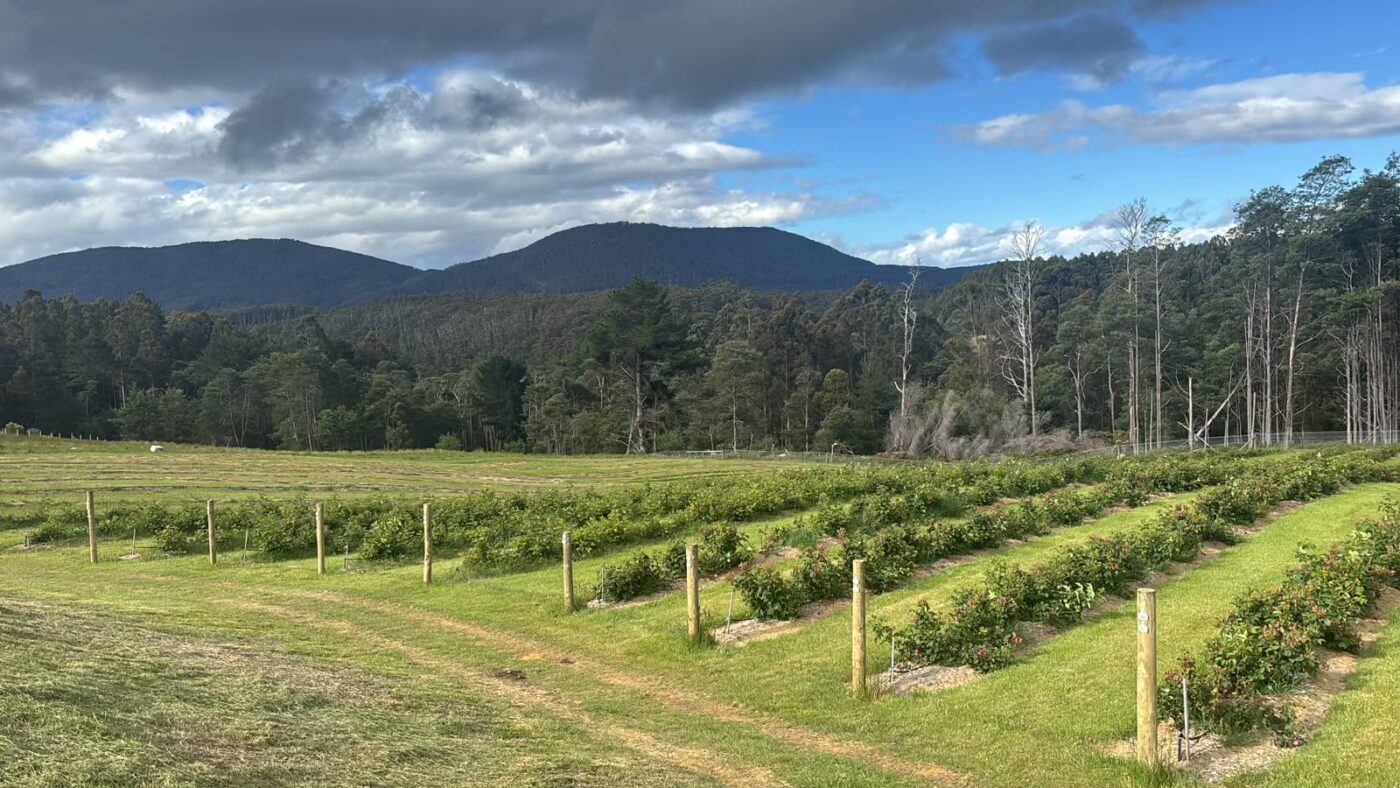
Each rose variety has a unique chemical profile of bioactive compounds. Some have more terpenoids, others more flavonoids, for example. At Highcroft Hills, we’ve chosen five varieties of roses that deliver not just a broad mix of bioactive compounds, but also high volumes. And our advanced extraction processes maintain potency. Because that’s another important element: bioactive compound availability. It’s all very well and good having potent petals. But if the petal’s power doesn’t transcend the extraction process, the resulting oil or hydrosol will fail to deliver on its promise.
By far the most potent natural chemicals in roses are polyphenols, which includes flavonoids and phenolic acids. And their claim to fame is their incredible antioxidant properties. Antioxidants are basically a cell’s best friends. They absorb and neutralise cell-damaging free radicals – which are unstable molecules caused by UV rays, pollution, even stress – and prevent cellular damage and collagen breakdown, which, in skin cells, helps to reduce signs of aging.
And the might of polyphenols doesn’t end with antioxidant properties. In fact, polyphenols are ‘anti’ a lot of things: anti-inflammatory, anti-microbial, anti-bacterial, anti-viral, anti-allergy and anti-cancer. They also protect against UV damage and aid wound healing.
Then we have some glycoside compounds that are used as humectants –water-loving chemicals that draw moisture from the air or deeper skin layers and hold it on the skin’s surface to help keep it hydrated. The specific glycoside compounds in our roses also reduce pigmentation, enhance brightness and improve skin elasticity.
Whereas other natural ingredients may tackle any of these challenges individually, roses are one of the few that enhance multiple aspects of the skin. From even tone and fewer blemishes to brightness, smoothness and suppleness, potent rose oils and hydrosols provide what we all want from our skin: radiance and long-lasting vitality.
Science has proven what many ancient cultures and the first apothecaries believed: that roses have significant benefits and broad medicinal and therapeutic applications. Studies are now being conducted into using rose-derived bioactive compounds to support brain and gut health as well as reduce stress and menstrual pain. The rose was called the Queen of Flowers by the Ancient Greeks.