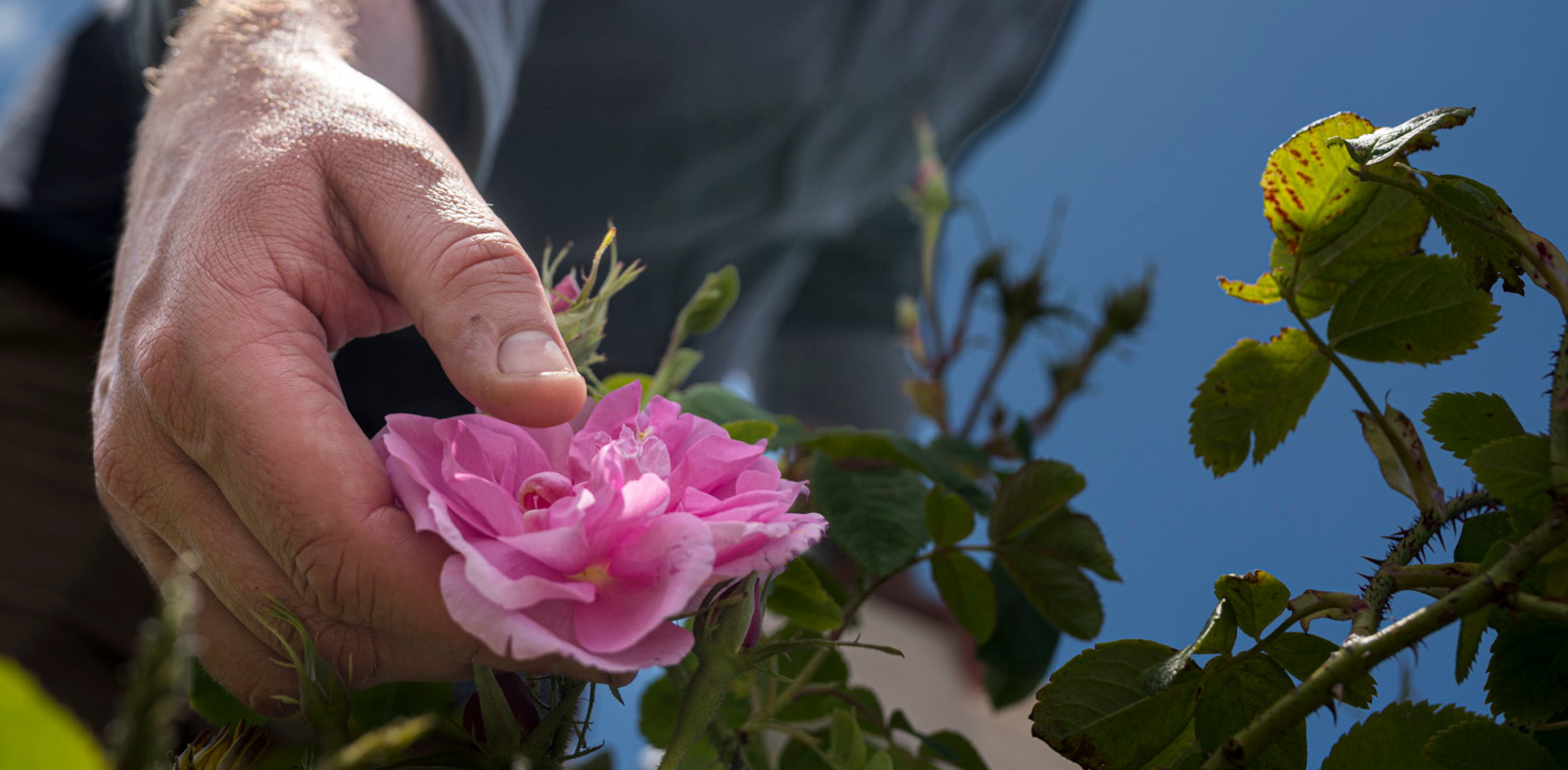
From French Wine to Tasmanian Roses
Uncover the secret marine ingredient that’s nourishing our soil.
Sancerre is a medieval hilltop town in France’s Loire Valley. The town itself, while picturesque, is probably not why you know the name. Sancerre is a world-renowned wine appellation d’origine contrôlée (AOC) known, predominantly, for its crisp, dry, citrusy Sauvignon Blanc. This region has been endowed with AOC status – which is a French certification that guarantees a specific agricultural product, in this case wine, comes from a strictly defined region and is made using recognised, traditional methods – because of its unique terroir: its soil, geology, topography, climate, plant life. And Sancerre’s soil, in particular, holds a trump card.
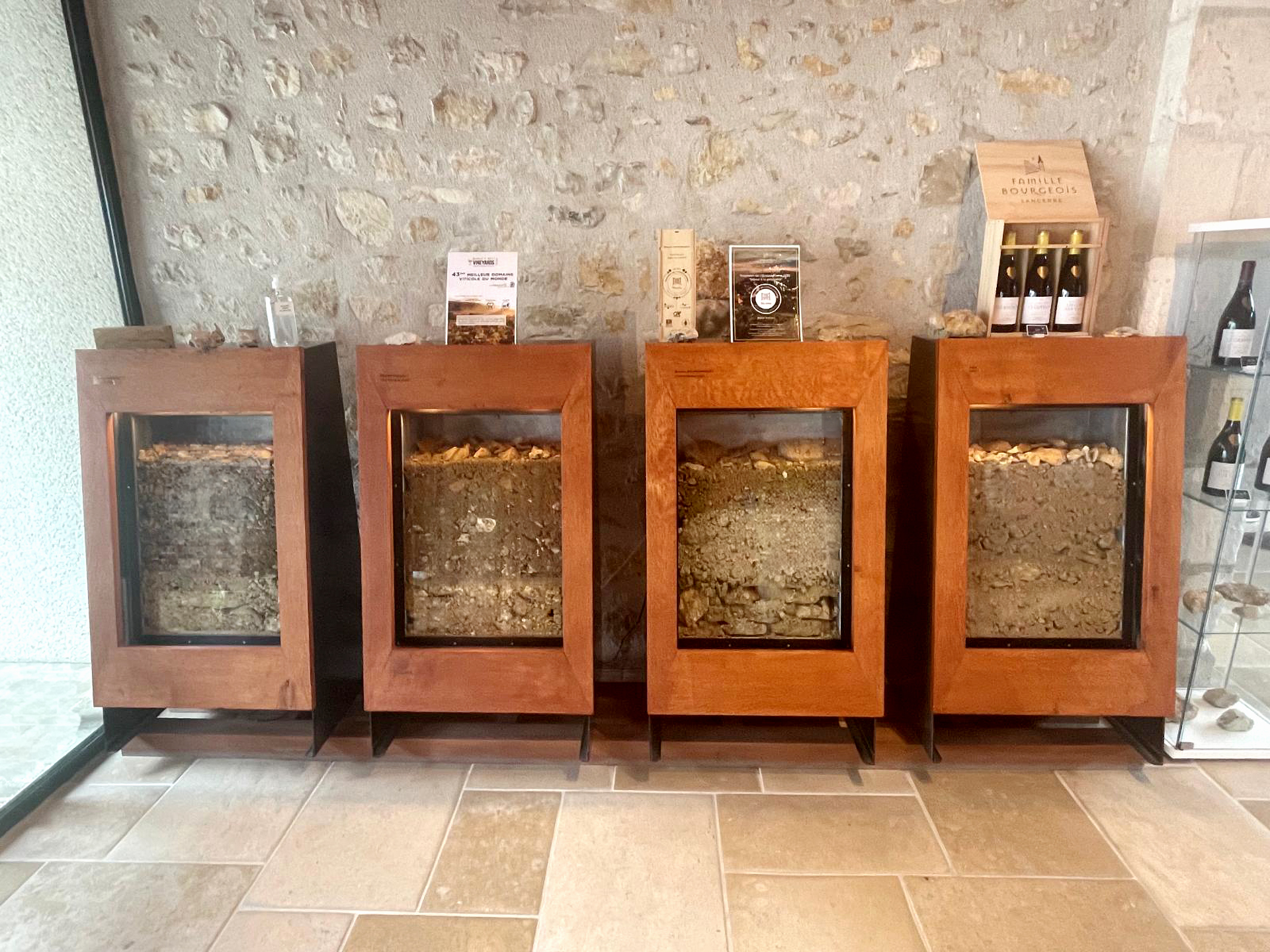
Sancerre sits on an outcrop of chalk, flint and limestone that runs from the White Cliffs of Dover in England and down through the Champagne and Chablis regions and onwards past Sancerre. These rocks first took shape millions of years ago, as layer upon layer of marine organisms – from microscopic coccoliths though to bivalve mollusks such as clams, mussels and oysters – decomposed and mixed with mud and sand. Over millions of years, pressure compacted the shells into rock. And this rock is alkaline. Which is good news for Sancerre’s viticulturists. Alkaline rocks naturally neutralise acidic soils, creating the prized pH of 6.5. This pH produces the perfect chemical environment for nutrient absorption. It maximises the vine’s ability to extract essential minerals, keeping the plant healthy and ensuring grapes ripen with the proper sugar-to-acid balance.
Neutral soils = healthy plants = exceptional wine.
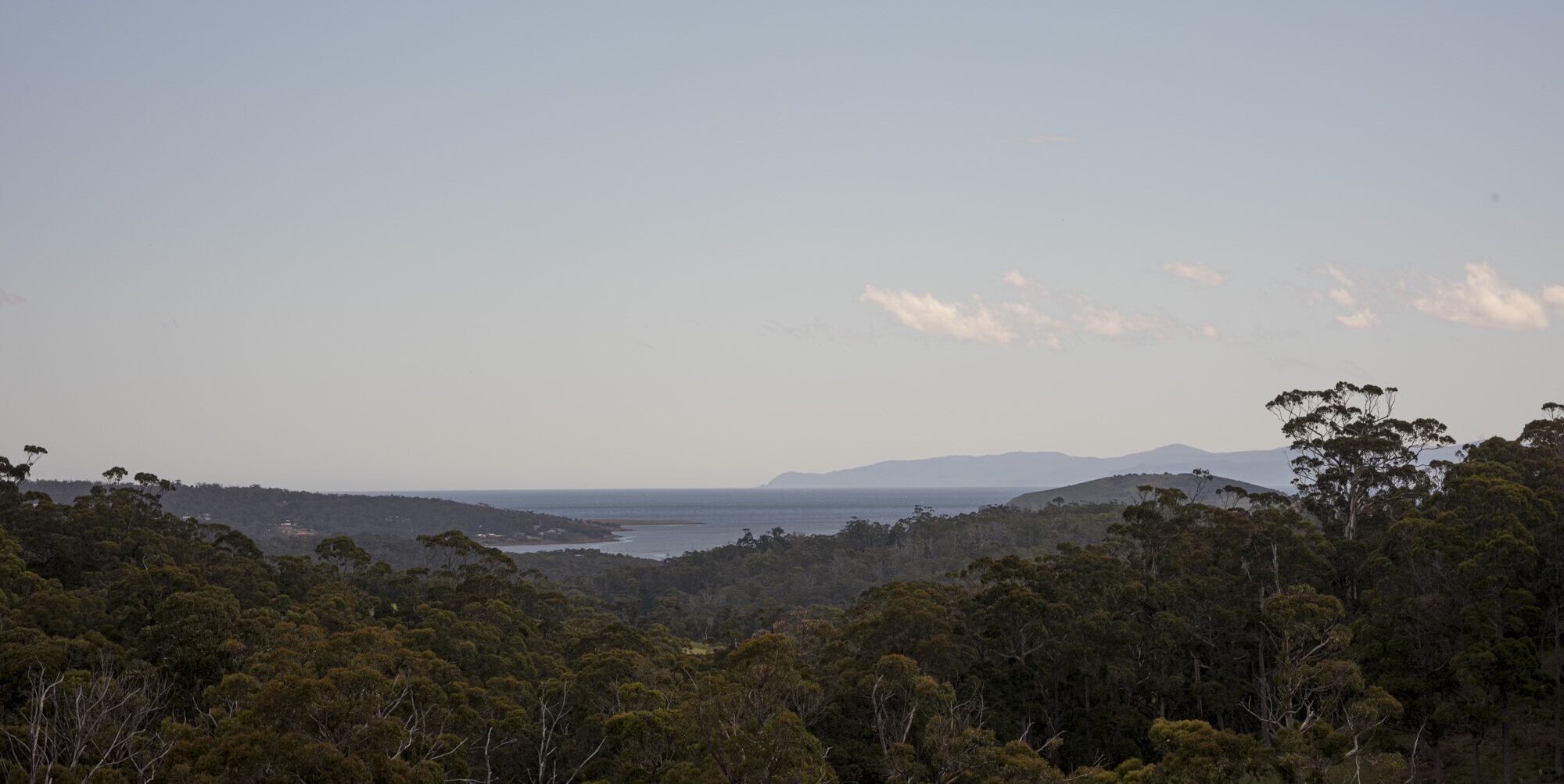
But what’s all this got to do with us at Highcroft Hills? The Tasmanian Archipelago is more than 17,000 kilometres from France and our terroir is as unique as Sancerre’s. Plus, we grow roses not grapes. But bear with us a moment. Because Sancerre and, more importantly, its geology actually has a starring role in this story.
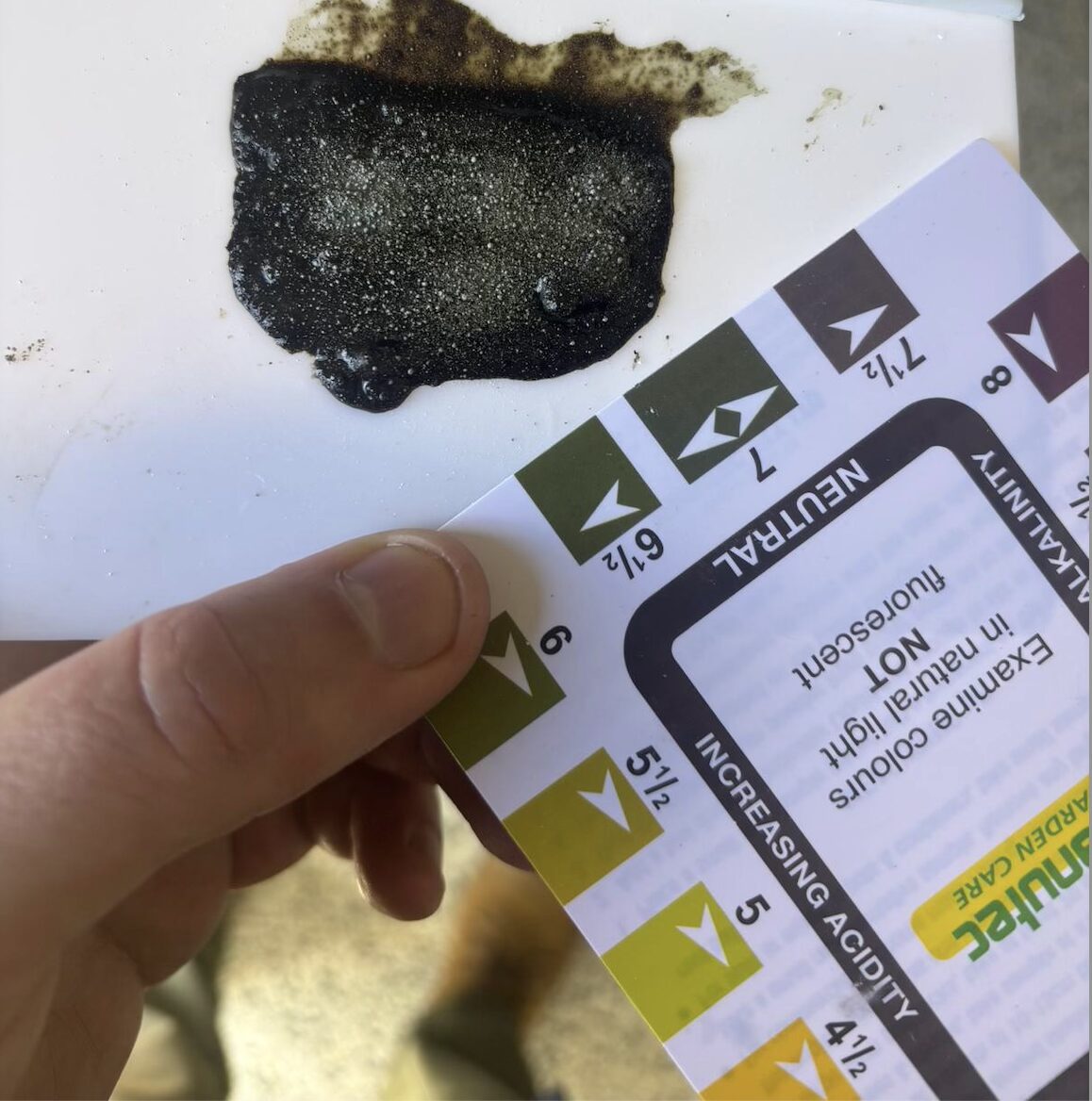


Rewind a few years to when our Founder was first falling in love with the Highcroft Hills terroir. In almost every regard, it was perfect. The world’s cleanest air. Regular rainfall. No extremes of hot or cold. As for the soil… it was well draining and thriving with organic matter. But it was acidic. A bit too acidic for growing roses, which like grape vines, thrive in neutral soil. This is where Sancerre and its ancient marine history fits in.
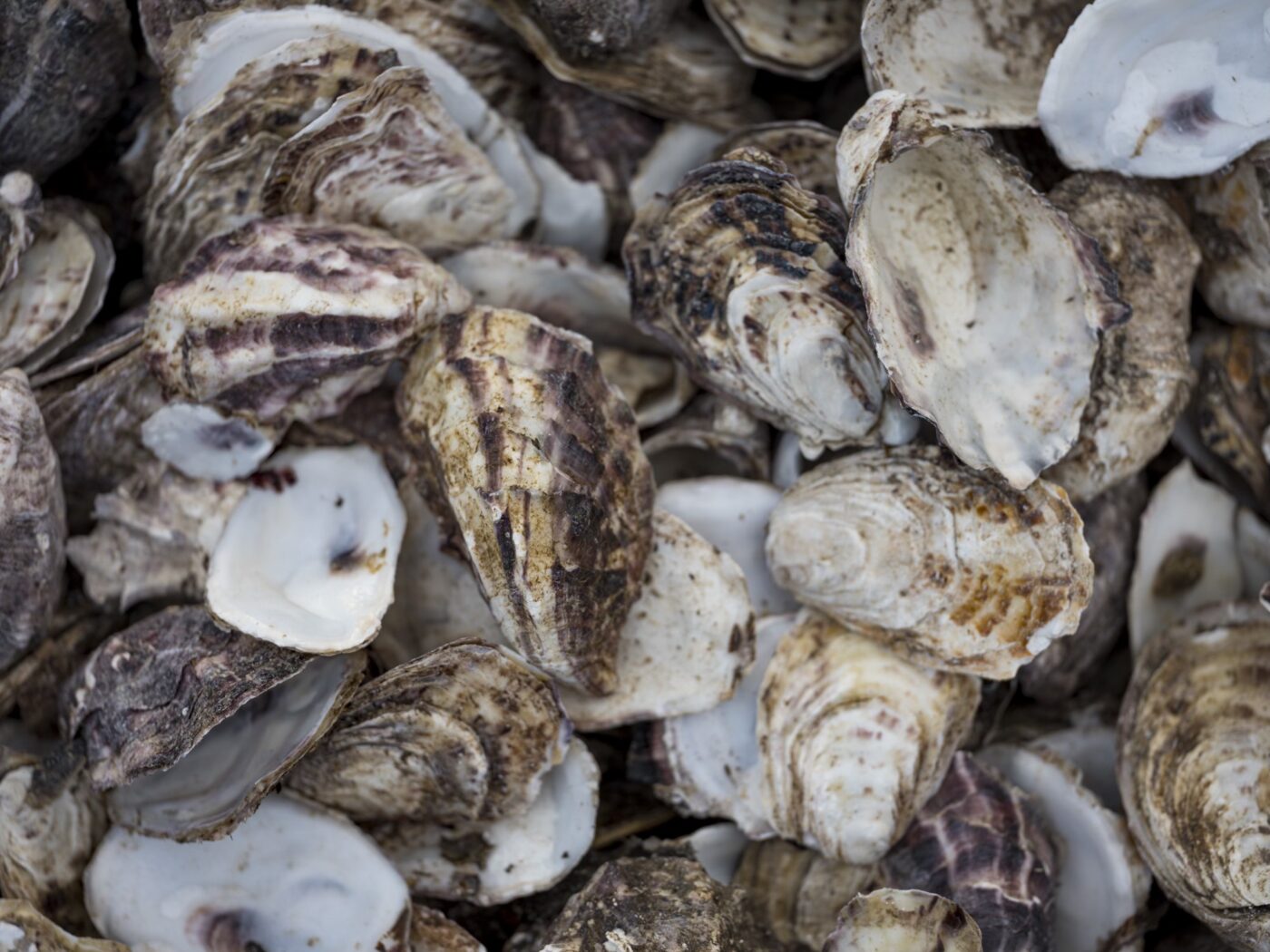
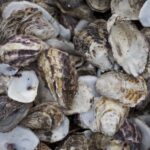
Tasmania produces some of the world’s cleanest oysters, thanks to the pristine waters of the Southern Ocean. The region yields over 3 million dozen bivalves annually, spanning two distinct varieties: the year-round, creamy Pacific oyster and the deep, meaty native Angasi oyster. Oyster shells are made primarily of calcium carbonate (the same mineral found in limestone and chalk). There’s also some other minerals in there, including potassium, magnesium, iron, strontium, selenium and zinc. So these shells, like their ancient cousins locked away in Sancerre’s chalk and limestone, are alkaline and, when added to acidic soil, can ‘sweeten’ it to reach rose-pleasing pH6.5. While some of Tasmania’s oysters are shipped abroad, the island’s restaurant industry scoops up the rest. And once the juicy centres have been swallowed in a slippery slurp, the shells are discarded. They’re waste. But not to us.
As the saying goes: one person’s trash is another’s treasure.
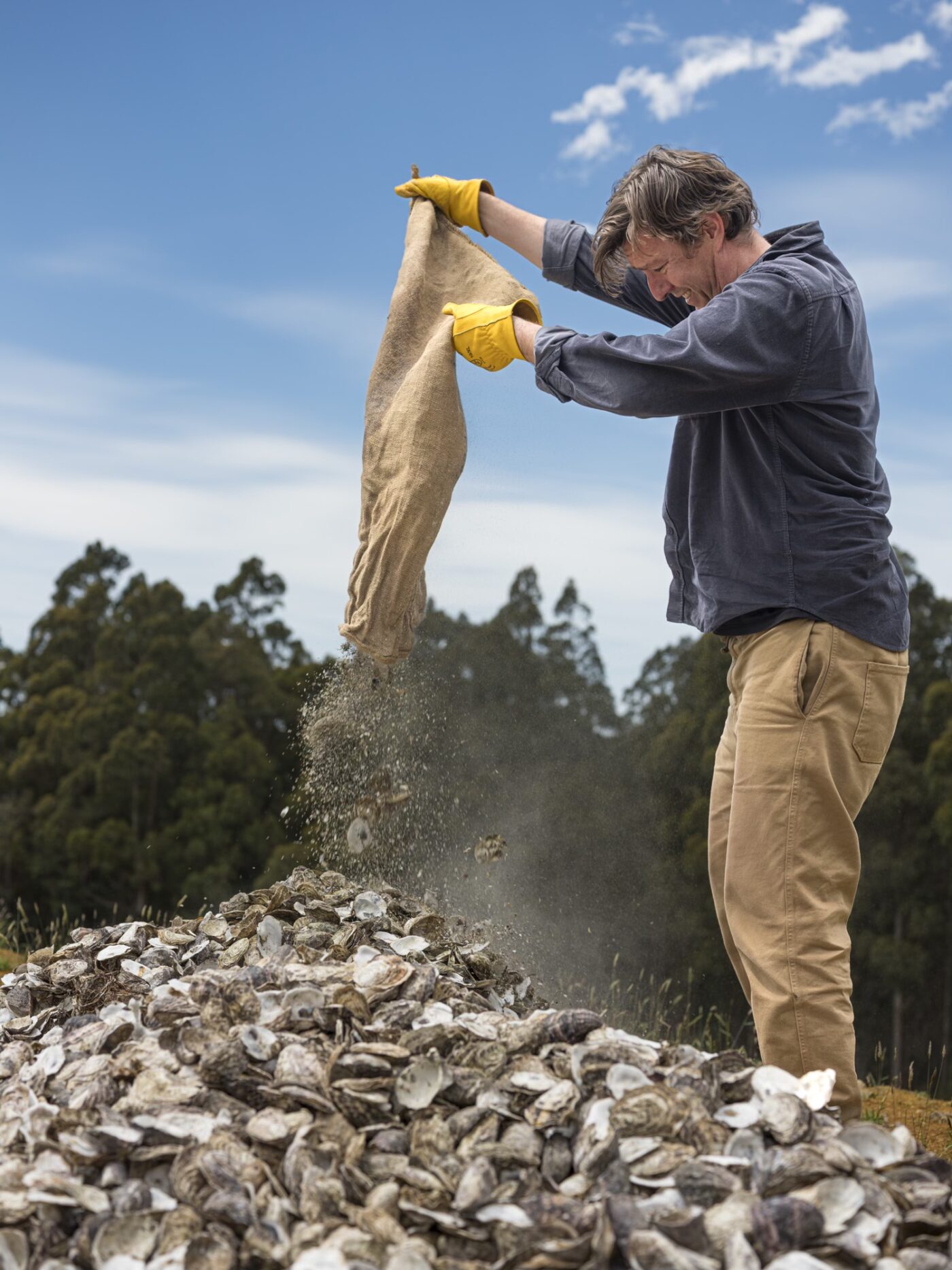
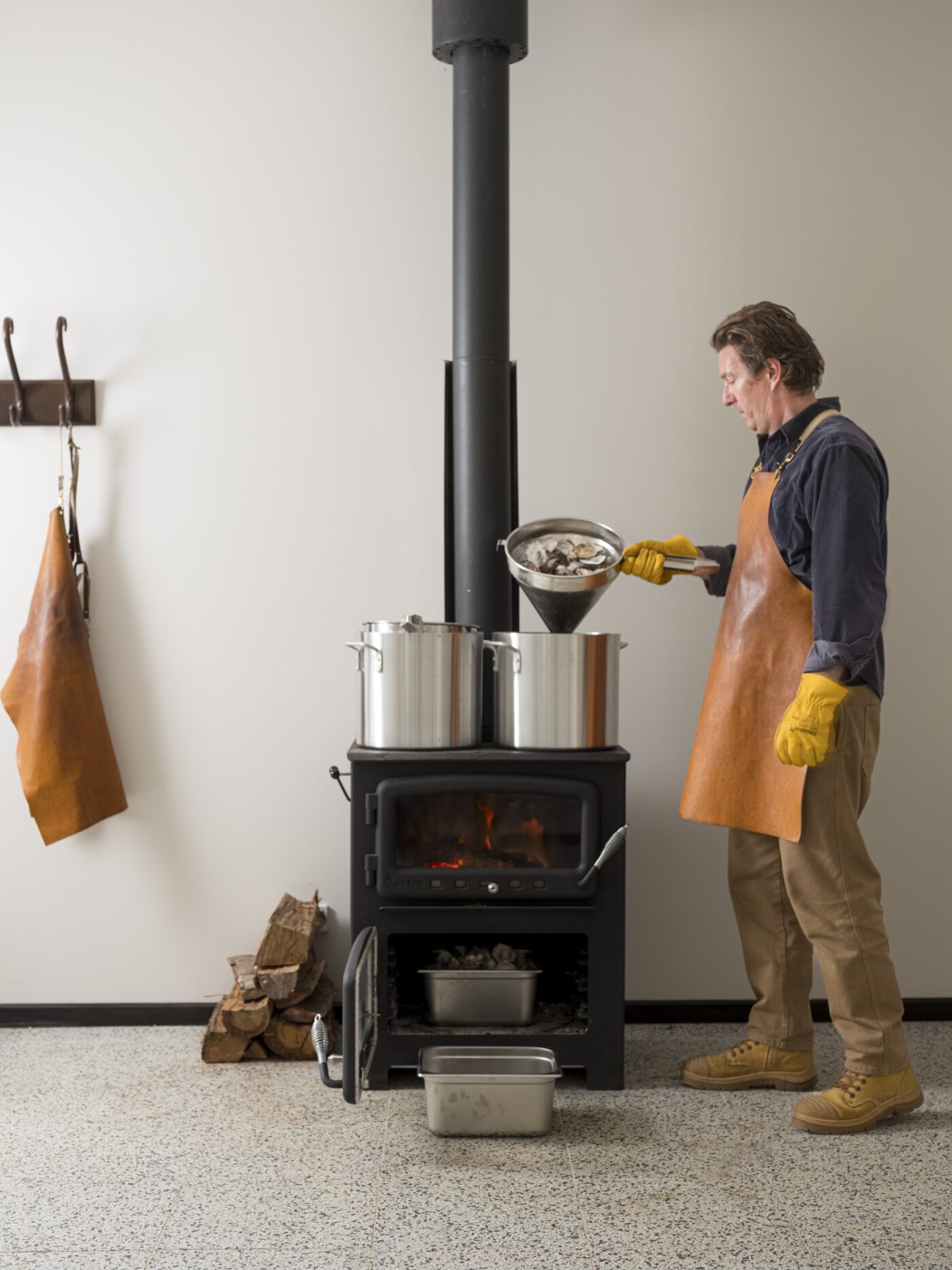
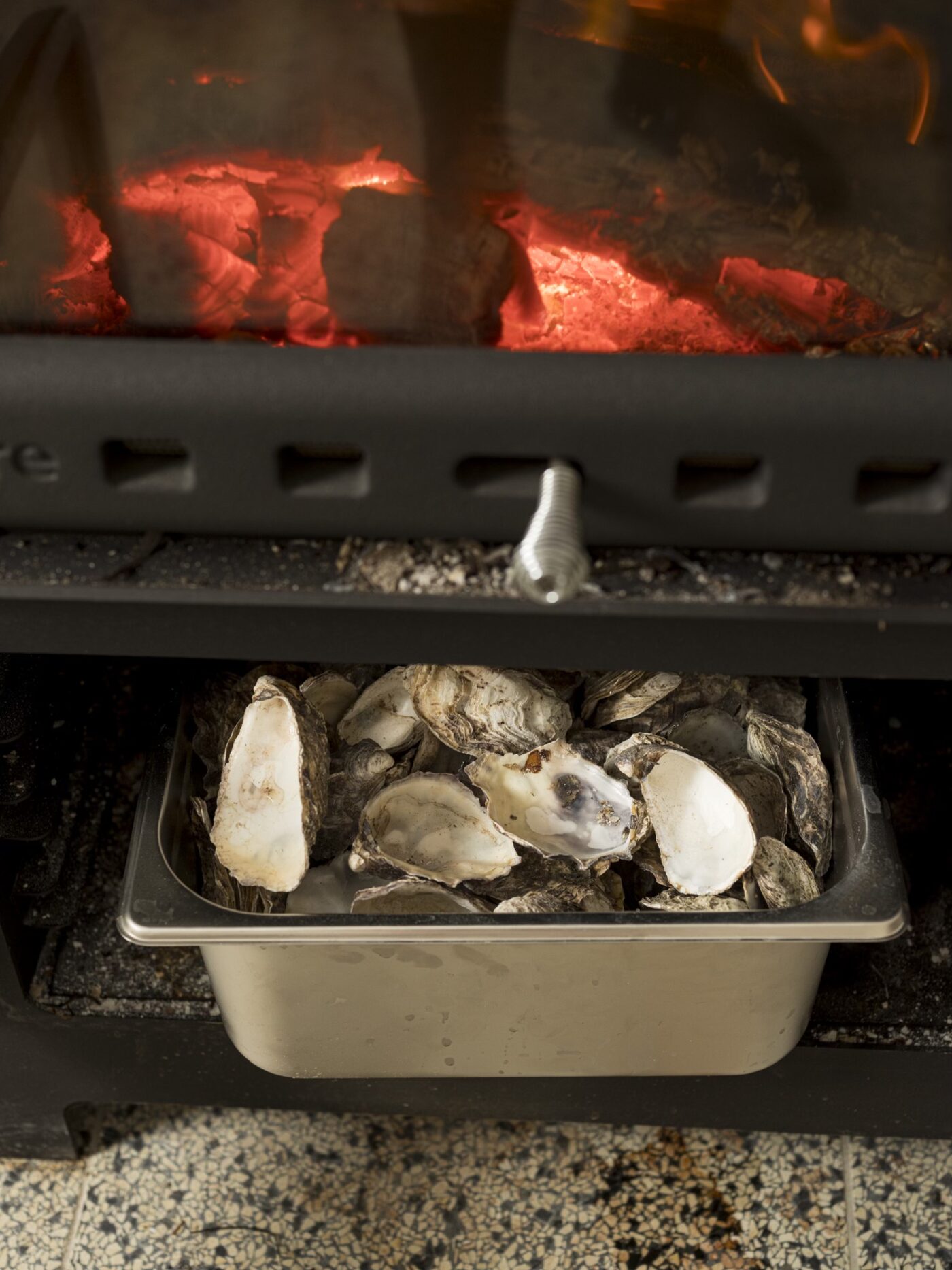
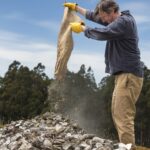
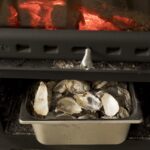
We take those oyster shells, (as well as some others from oyster farmers in the nearby estuaries) and heat them until they become brittle and easily crushable. Then, we dig them into our soil, where rose roots wind their way around the shell segments and nourish on their nutrients, thriving in the neutralised soil.
When the soil is neutral, macro-nutrients (like nitrogen, phosphorus and potassium) and micro-nutrients (such as iron, zinc and magnesium – in the shells themselves) are highly soluble, becoming easier for roots to digest. Neutral soils also prevent toxicity from elements like aluminum and manganese that can poison and damage the plants. The shells themselves release calcium which is a foundational building block for cell walls, promoting thicker, stronger stems and aiding in the development of robust, vibrant blooms.
So not only are we upcycling a waste product. We’re also doing away with the need for artificial chemicals and fertilisers. This is our approach across the garden. We practice minimal-intervention cultivation, seeking only to support the natural resilience of our plants and encourage their full potential. So along with the oyster shells, we use other natural treatments like sulfur, copper and plant extracts to maintain plant health and preserve soil integrity.
Because soil is everything.
In fact, this may sound like a story about oysters. But in reality, it’s a story about soil. The foundation of life on Earth, soil supports roughly 95% of the world’s food production, regulates the planet’s water and carbon cycles and acts as a bustling, vibrant habitat containing more than half of all biodiversity on the planet. And it’s on the front line of the fight against climate change and industrial farming. Across the planet, the top 30cm of soil holds more carbon than all plants, forests and atmosphere combined. But globally, we’re losing fertile topsoil up to 40 times faster than it can form naturally.
This is why, at Highcroft Hills, we cherish our soil. As much as we cherish our roses. Our soil is teeming with life. A single gram of thriving, healthy soil can contain billions of living organisms, from fungi and bacteria to insects and earthworms, that break down decaying organic matter and naturally cycle nutrients back into the ecosystem. Soil is the starting point. If we take care of our soil, it will help us take care of the rest. By working in partnership with nature, maintaining balance, we can preserve the purity of this place we call home.