Deeply rooted
How Grasse became the spiritual home of the Rosa Centifolia
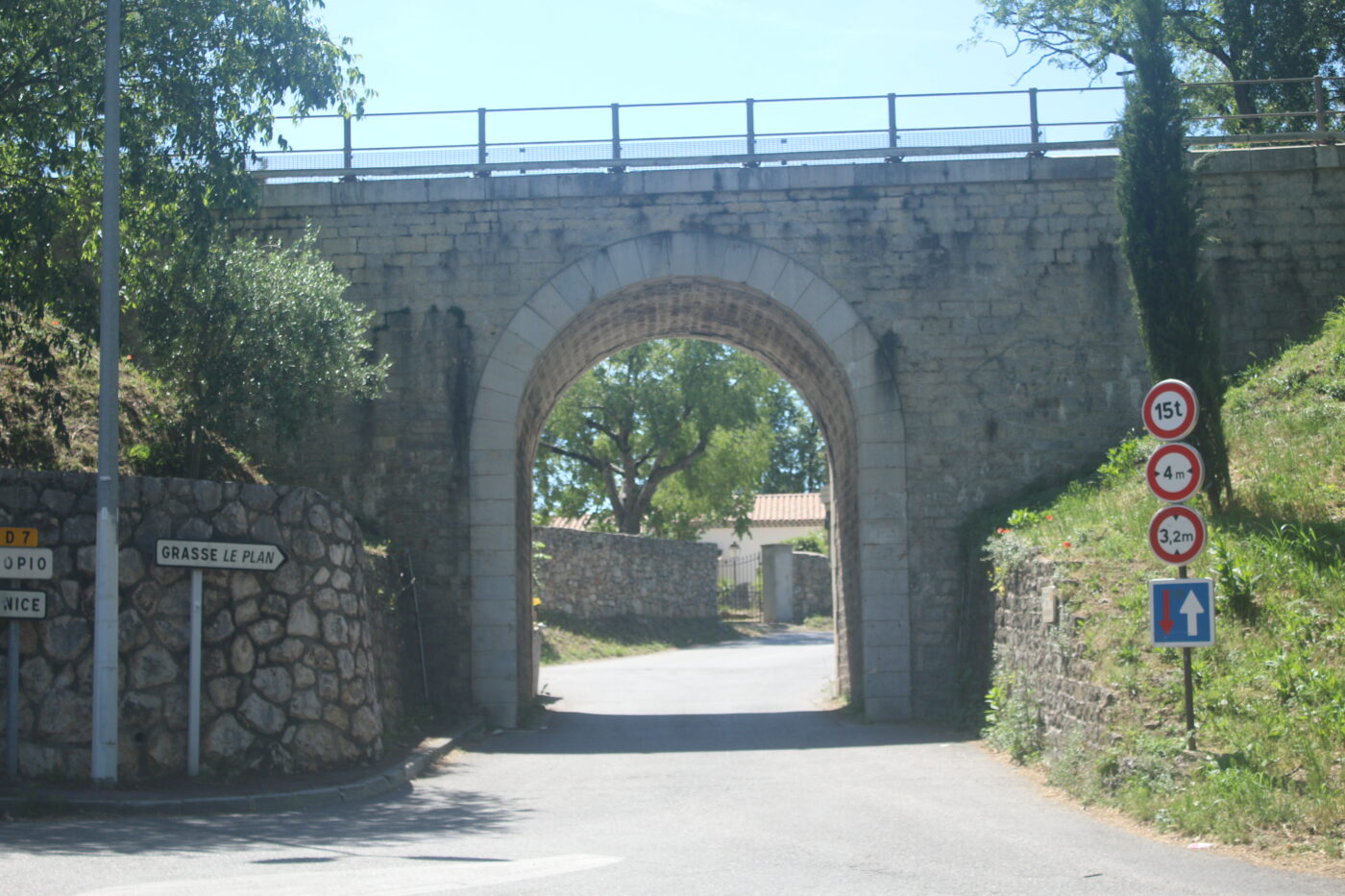
The early morning sun is slowly creeping above the hilltops. It brings with it a tingle of heat, a promise of what’s to come. A subtle breeze whispers from the Alpes-Martimes and the timeless scents of rose, jasmine, neroli and Cypress pine fill the nostrils with an olfactory symphony. We’re in Grasse, a historic town just 20km from the French Riviera and close to the glamorous Provençial cities of Cannes and Nice. For a few weeks in May, the town comes alive to harvest the Rosa Centifolia, the premier rose of the perfume industry and Grasse’s principal raison d’etre.
But it hasn’t always been this way. While it’s true that Grasse’s history can be recounted in scents, before the alluring fragrance of roses filled the town’s air, Grasse didn’t smell very good at all. In the middle ages it was one of France’s premier leather tanning centres. But with tanning, comes an acrid ammoniac stench that permeates everything – walls, clothes, nostrils. A solution came from Italy with the newly emerging practice of scenting leather gloves. By the early 1600s, Grasse’s scented gloves adorned the hands of Louis XIV’s courtiers and were exchanged as status symbols. By the late 1700s, perfumery had become the more lucrative side of the industry. And Grasse, with its unique location, emerged as the definitive home of perfume-grade flower cultivation.
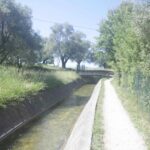
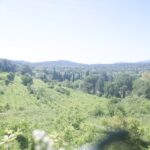
As we stand here now, surrounded by fields of budding roses awakening under the strengthening sun, we can see – and feel – why. Grasse has a unique microclimate. It’s nestled in an aromatics-growing goldilocks zone of finely balanced temperature, topography, sunlight, hydration and soil. It benefits from the protection of the Alpes-Maritimes, which shield Grasse from harsh northerly winds. It’s 350 metres above sea level, so doesn’t suffer extremes of temperature. It’s bathed in 300+ days of sunshine per year, creating a long and steady growing season. Hydration comes in the form of clean, cool mountain water funnelled into irrigation canals, both nourishing and reliable. And the soil is volcanic, rich in minerals and well drained. In other words, a terroir perfectly sculpted for growing roses – as well as other aromatics such as jasmine and neroli – that are full to bursting with essential oils.
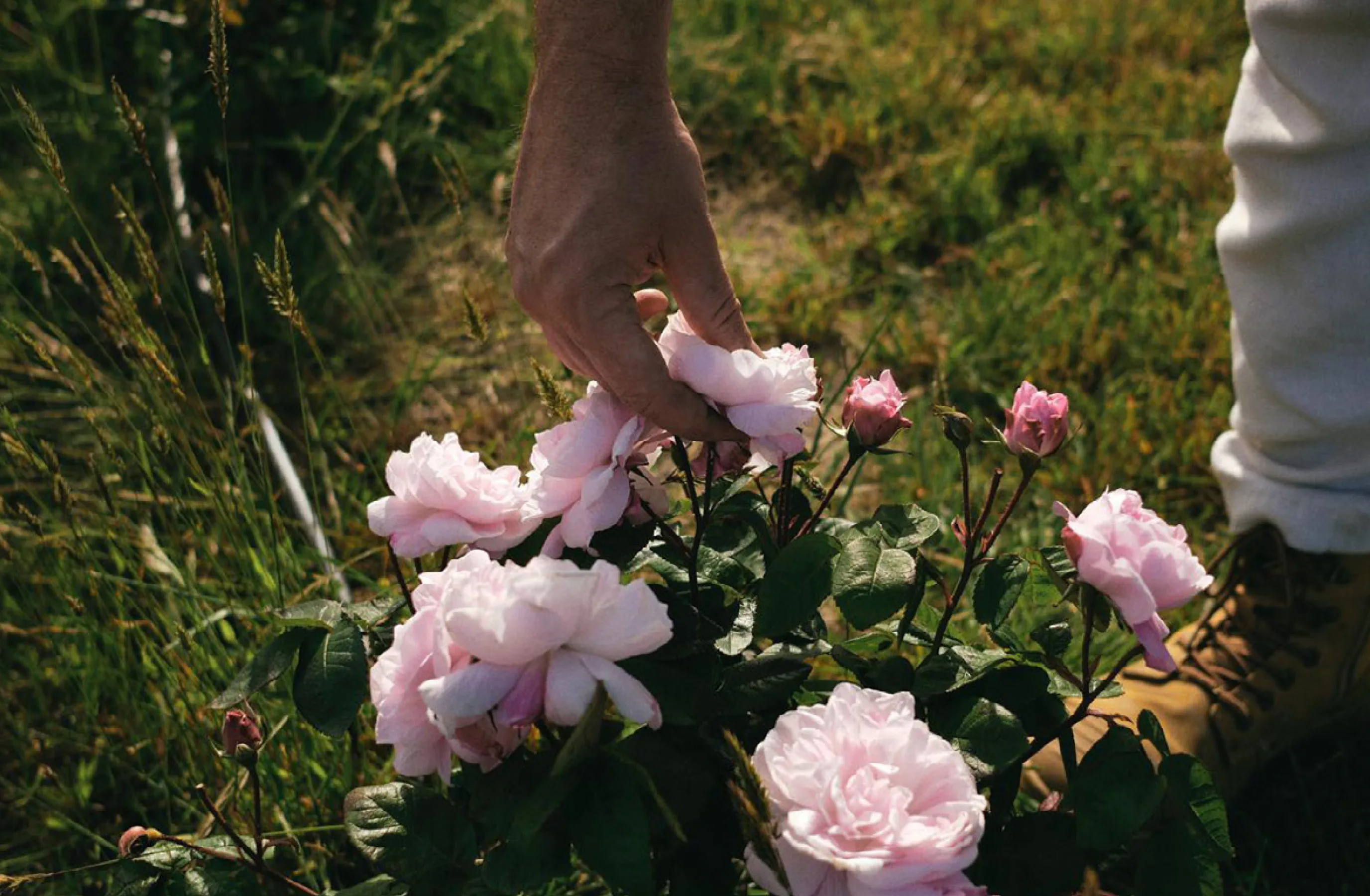
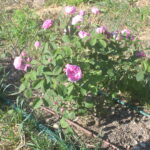
There are, indeed, several aromatics grown in Grasse that strike key notes in this olfactory symphony. Tuberose, jasmine, violet, mimosa, neroli (orange blossom) and Provençial celebrity, lavender, are all present. But the star, the conductor of the orchestra, is the Rosa Centifolia. Putting its fragrance to one side for a minute, this rose is undoubtedly beautiful. Its densely layered petals seem to entwine and fold into one another in an intricate dance. The colour is exactly what you conjure in your mind’s eye when someone says ‘pink’. They are at once delicate and bold, understated yet exquisitely detailed. And as for the fragrance… it’s fresh and clean with notes of honey and hints of citrus. It’s captivating, irresistibly rich and, importantly, unique.
Grasse’s terroir gives its roses their own fragrance identity. Large numbers of Rosa Centifolia are grown in north Africa, Turkey, India and Bulgaria, too. But they do not smell the same as those grown in Grasse. Subtle changes in high and low notes – more or less citrus, more or less honeyed, more or less floral – shift the olfactory profile. Like a pinot noir from Burgundy versus a pinot noir from New Zealand, the fragrance of Rosa Centifolia is determined by its terroir. And the Grasse fragrance profile is highly sought after.
The Rosa Centifolia is rather particular, though. It has to be harvested the morning it blooms. And distilled the same day it’s harvested, with no delay. In fact, from that first bloom in the morning to the afternoon steam distillation, the Rosa Centifolia is losing its potency. So speed is of the essence. So much so that any delays to harvesting or distillation render the rose unusable.
And when you bear in mind that roughly 3500kgs of fresh roses make just 1 litre of pure rose oil, you can see the need for speed.
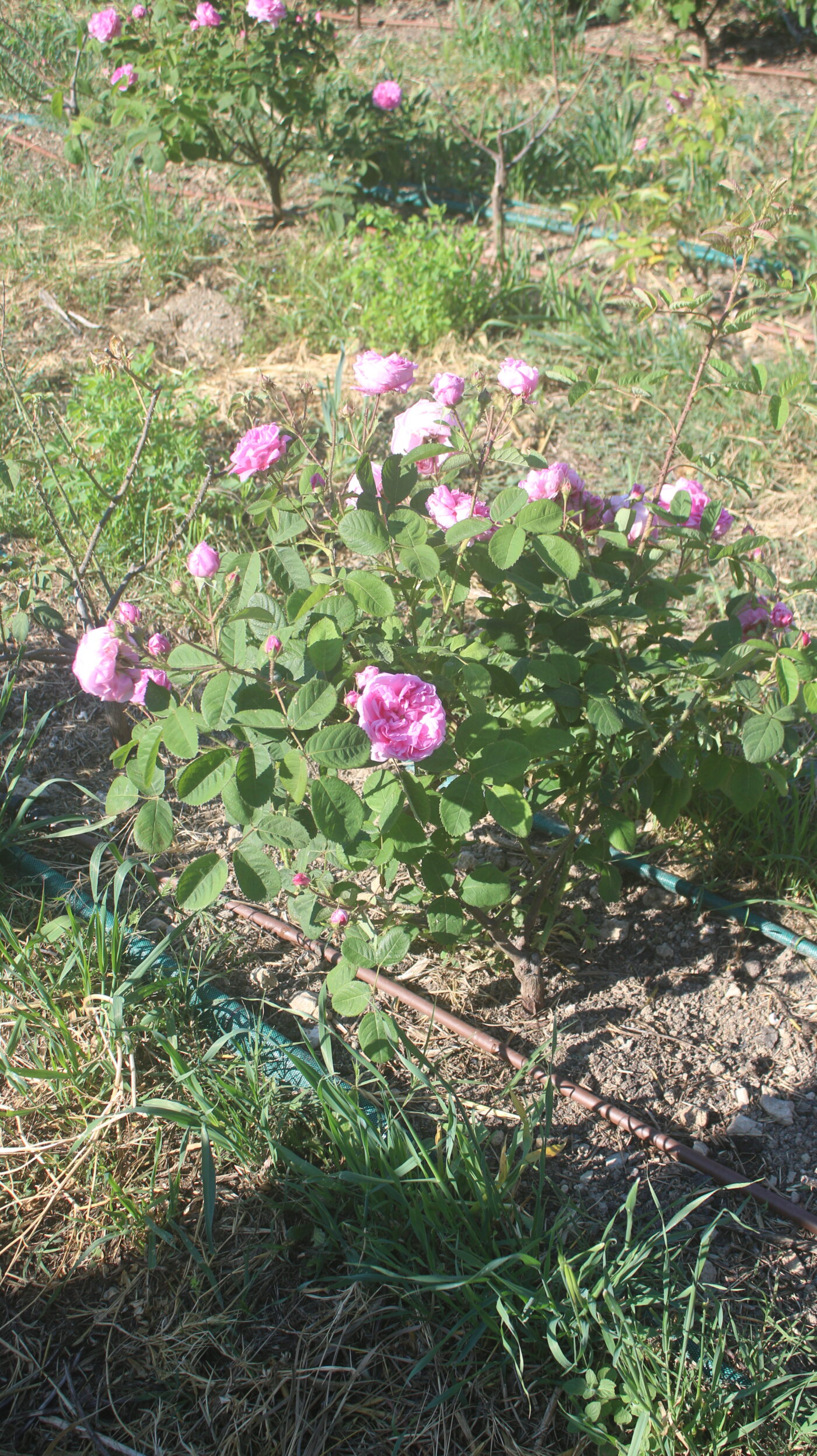
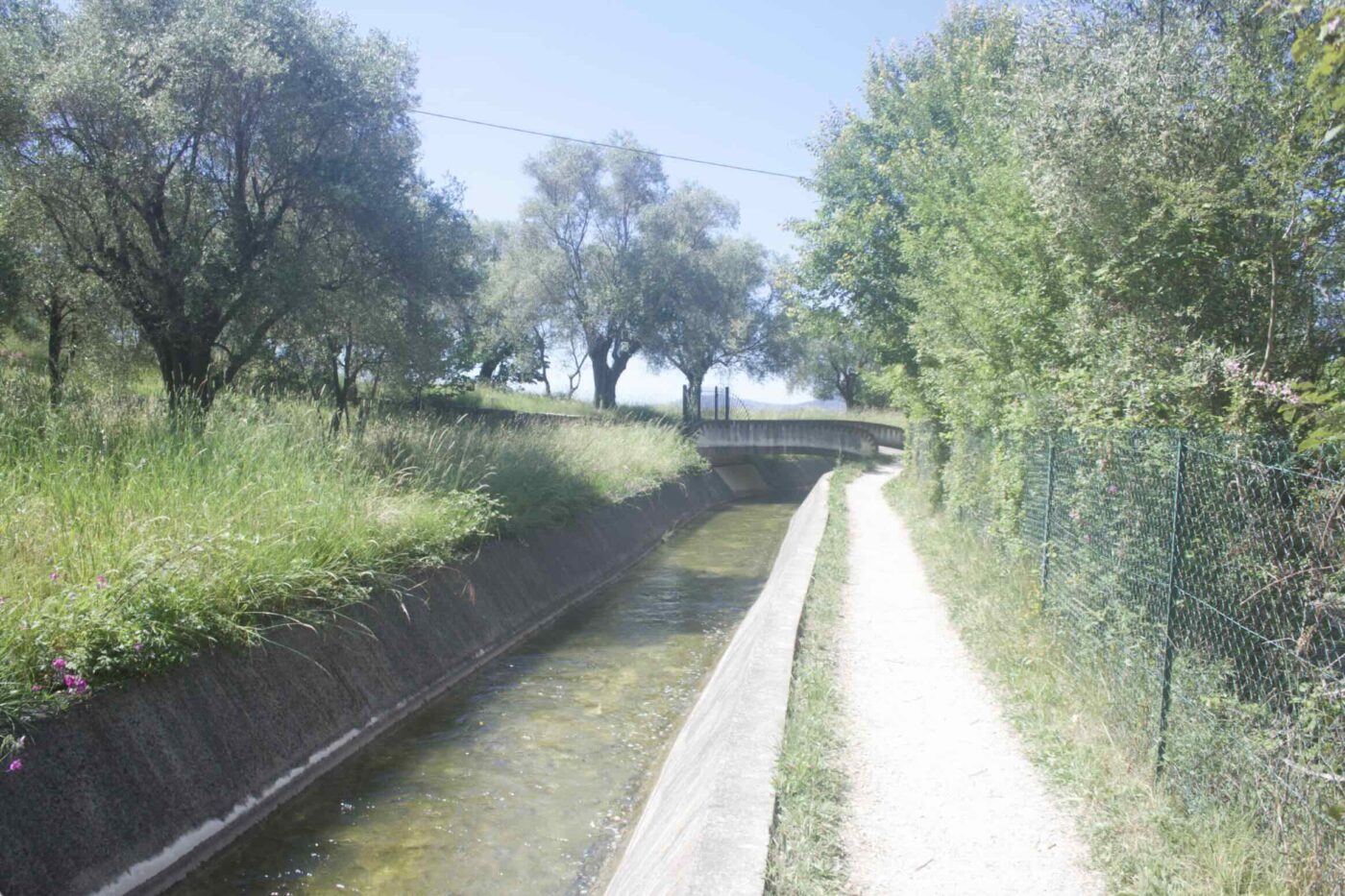
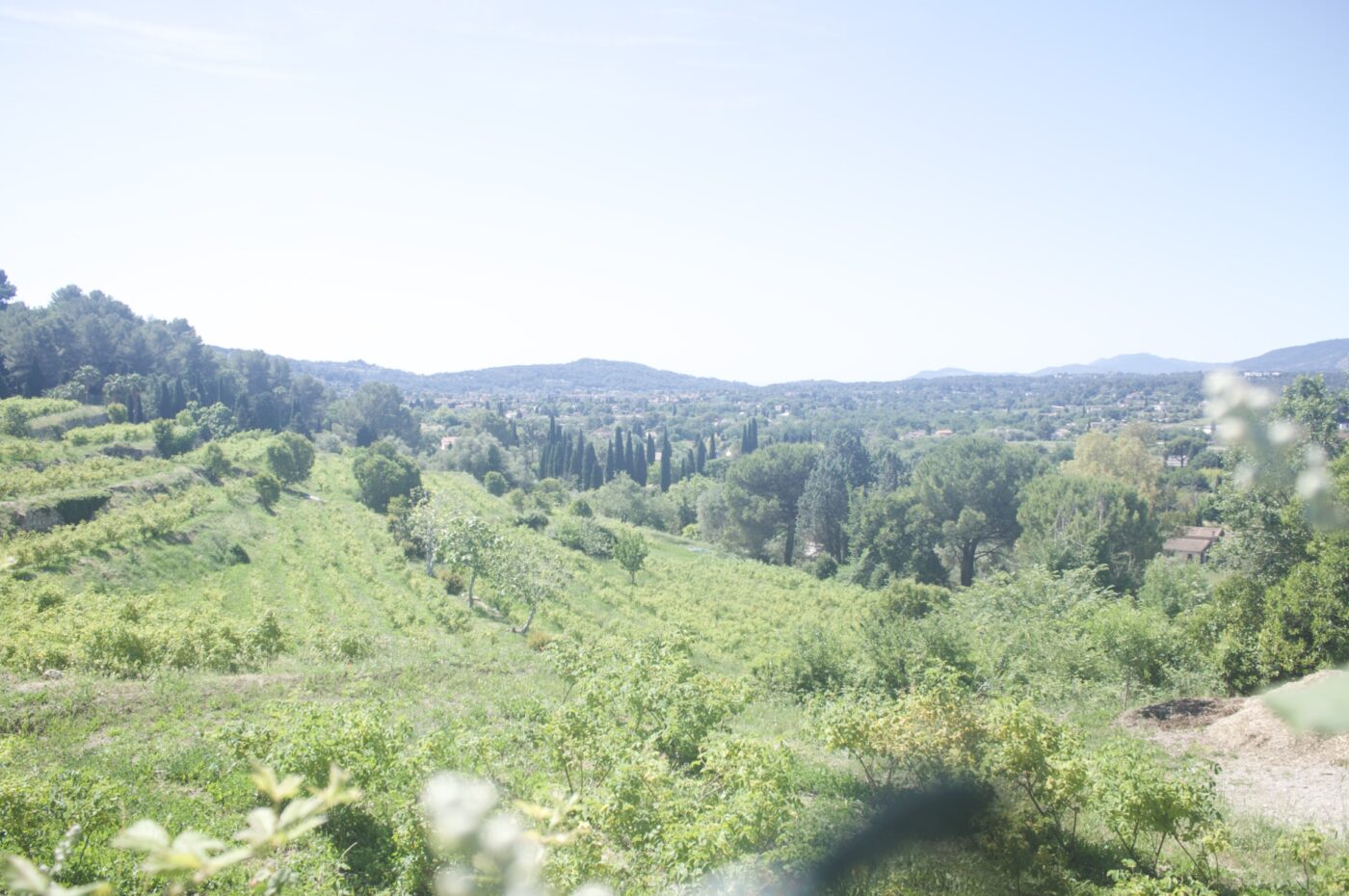
Once the rose is harvested, in a clean, precise snap as the flower is plucked from the plant, it’s quickly transported to a distillation facility. Romantic, whimsical field environs are replaced with the sterility of a lab environment, as art becomes science and rose becomes rose oil.
The skills and know-how – the craftsmanship – required for successfully growing some of the world’s best Centifolia roses has taken centuries to acquire, handed down from generation to generation. In 2018 this craftsmanship was inscribed on UNESCO’s Representative List of the Intangible Cultural Heritage of Humanity. This recognises the skills not just in the cultivation of perfume plants, but also in the knowledge and processing of natural raw materials and the very ‘art’ of creating a perfume, the specific capabilities of a ‘nose’– a master perfumer responsible for creating olfactory compositions.
However, in the latter part of the last century, this craftsmanship was almost lost. Land prices in the region soared in line with the growing popularity of the Côte d’Azur and, along with the additional competition of cheaper, synthetic fragrances, Grasse’s fields of flowers became villas and apartments. By the early 2000s production was in a tailspin. Families that had farmed Grasse’s fields for generations sold up and moved elsewhere. Production that had peaked at 5,000 tonnes per annum in the 1940s had dropped to just 30 tonnes.
But things are looking altogether rosier for Grasse these days. 5,000 tonnes of roses may be a thing of the past, but Grasse’s production is now stable at 40 tonnes per year. A younger generation is moving in, keen to learn the ‘art of the rose’. Land is being rezoned for farming, to prevent a further influx of housing developments. And, of course, enough of the knowledge remains. The older generation is dedicated to sharing its skills and craftsmanship to preserve the elements that made Grasse the capital of perfumery in the first place.
As we watch burlap sacks of roses being whisked away for the next step in their journey, we reflect on the past and the long voyage the region and its growers have taken to get here.
The art and science of Grasse’s perfumery is held together by its people – their passion for maintaining tradition, sharing knowledge and growing beauty. This is Grasse’s legacy.
For us, at Highcroft Hills, this legacy continues to inspire us, driving us to honour the region’s craftsmanship, and adapt Grasse’s practices to our terroir in the Tasmanian archipelago. Every year we visit Grasse, we meet new people, learn new skills and reinvigorate our devotion to provenance, precision and preservation. Though our goldilocks zone is on the other side of the globe, we share a vision of balance and collaboration with and regeneration of nature, working to seasonal rhythms, enriching the soil and acting as custodians over this land we call home and this precious planet we all share.